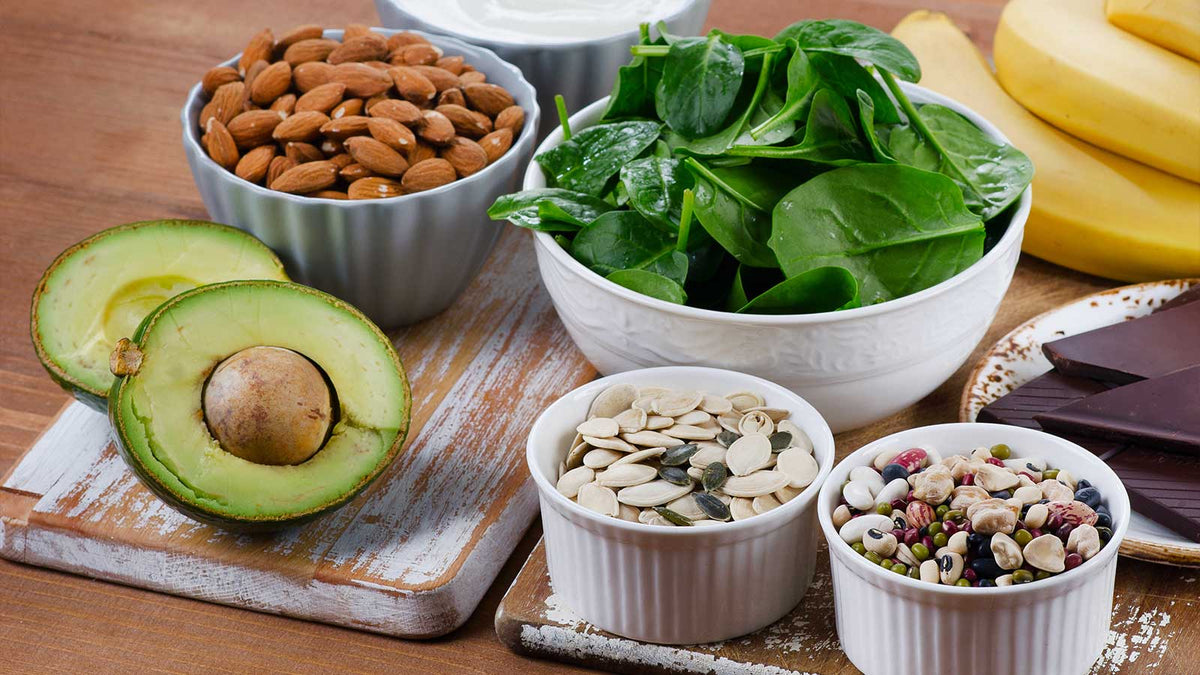
How does our diet affect our psyche, and vice versa? Dr. med. Sarie Ann Haisch explores this interplay and other questions in a mini-series here in our online magazine.

About the author:
Dr. med. Sarie Ann Haisch is a practicing psychiatrist and psychotherapist at the Areion Competence Center in Neu-Ulm, specializing in the treatment of stress-related illnesses. Previously, she worked in various inpatient facilities, such as the University Hospital of Ulm, the Sanatorium Kilchberg in Switzerland, and the Center for Psychiatry in Ravensburg. In addition, she completed training as a business coach at the CIP in Munich. Beyond her therapeutic work, she offers seminars and workshops for companies. Her key topics include burnout prevention, healthy employee management, and strengthening resilience.
How does stress change our eating habits?
In recent years, increased research and clinical observation have made it increasingly clear that, in addition to well-known variables such as physical activity and social contact, our diet also has a significant influence on our mental well-being.
In medical practice, we frequently observe changes in eating habits, particularly in patients with stress-related psychosomatic disorders. They eat either more or less. Appetite fluctuates, and the type and composition of food change (e.g., increased fast food intake to "save time," higher sugar consumption, etc.). Enjoyment is increasingly lost. There is "no time to eat," food is less well-tolerated, weight changes, etc.
Why is the gut important for well-being?
It is now well-established that the gut is the "center" of numerous metabolic processes, including those involving the immune system and the serotonin system. Serotonin is very important for human mood and drive; it is also known as the "happiness hormone." When a person suffers from chronic stress, the gut is one of the central organs that becomes unbalanced, leading to psychosomatic complaints. Infections, digestive problems, irritable bowel syndrome, and, not least, depression and exhaustion are on the rise. This results, among other things, from reduced serotonin production during chronic stress. This is particularly relevant in the "darker" months, as serotonin levels are already lower than they should be in winter due to reduced exposure to sunlight.
How do sugar and fast food affect our psyche?
As described above, the type and composition of one's diet often change during stressful phases. For example, sugar consumption increases. This can, in turn, promote inflammatory processes in the body, which, in addition to potential long-term physical consequences, also bring about mental changes. This can, for instance, lead to a tendency toward depression, which is nowadays linked to chronic inflammatory processes in the body, among other factors. Furthermore, the frequent consumption of fast food often means that not enough attention is paid to a balanced and "serotonin-promoting" diet. The body cannot produce many of these serotonin precursors itself and is therefore dependent on their intake through food.
Conclusion
Nutrition is therefore very important both preventively and curatively in the context of mental health. Especially during times of increased stress and in the winter months, one should ensure the intake of essential vitamins, fatty acids, and trace elements that are necessary for the production of happiness hormones.
_
Mini-series in the online magazine on nutrition, the psyche, and mental health with psychiatrist Dr. med. Sarie Ann Haisch
Together with Dr. med. Sarie Ann Haisch, Medicom will explain the interplay between nutrition and mental health in a mini-series and provide simple health and nutritional advice. This allows everyone to read and apply tips and recommendations individually. This does not replace a visit to a specialist; it is a good approach to informing oneself, staying motivated, and finding ways to strengthen mental health through the right diet. In this way, one actively looks after their own well-being.
• Would you like to read more on this topic? For example, what do emotions have to do with eating habits? You can hear about that in the following podcast interview: Emotional eating and self-perception