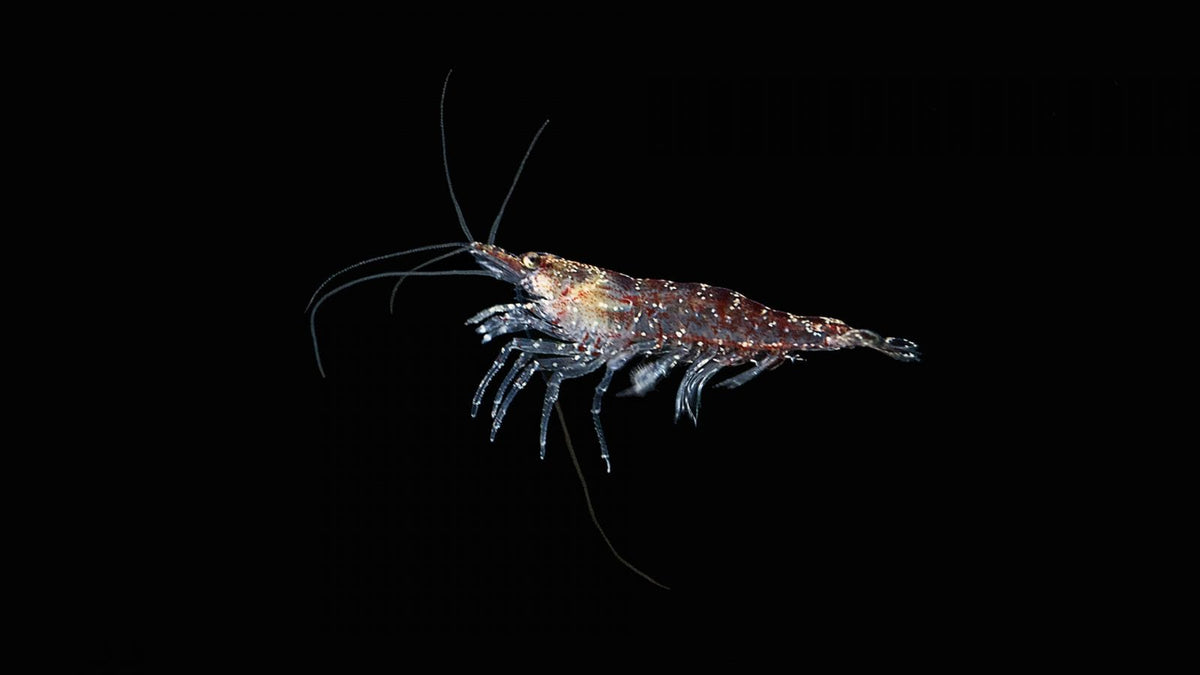
In the past, unsaturated fatty acids from fish oil were known as cod liver oil. Everyone was given cod liver oil by the spoonful to prevent rickets, especially when the darker, sun-deprived season began. For many children, this was a culinary nightmare. Fortunately, things are easier for us today. Omega-3 fatty acids are available as omega-3 capsules from a variety of sources, such as algae oil and linseed oil. For several years now, krill oil capsules have been available and are considered a very good source of omega-3. Krill is a shrimp-like crustacean that comes from the cold waters of the Antarctic.

Chemist Dr. Stefan Siebrecht is an independent nutritional expert, author, and co-author of numerous publications on the topic of vital substances. He has written extensively about krill oil. We want to ask him what omega-3 fatty acids are used for and why krill oil is considered particularly valuable.
MEDICOM: What is so special about krill oil?
Dr. Stefan Siebrecht: Krill oil contains a high proportion of the valuable long-chain omega-3 fatty acids DHA (docosahexaenoic acid) and EPA (eicosapentaenoic acid). But the special thing about krill oil is that the omega-3 fatty acids here are bound to phospholipids. This means they can be better absorbed and utilized by the body. Phospholipids, in turn, are part of cell membranes and play an important role in brain metabolism. In addition, krill oil contains astaxanthin, a carotenoid found in marine algae and phytoplankton. Astaxanthin is an antioxidant that protects cells from free radicals.
MEDICOM: Studies confirm the link between the Omega-3 Index and our heart health. How do omega-3 fatty acids affect the heart?
Dr. Stefan Siebrecht: Omega-3 fatty acids can improve blood flow properties, have a positive influence on blood lipid levels, counteract inflammatory processes, and contribute to normal blood pressure. All these factors are good for our cardiovascular system and have a preventative effect.
MEDICOM: Omega-3 fatty acids are also important for healthy brain and nerve functions. Can you give an example?
Dr. Stefan Siebrecht: Yes, in the case of obesity. Overweight people suffer more frequently from cravings because their brain's reward system is particularly active. They are constantly prompted to consume primarily fatty and carbohydrate-rich foods as a way of rewarding themselves. Krill oil has been shown to have a calming effect on the brain's reward system, which can help mitigate these cravings. This effect was not produced by regular fish oil. However, whether taking krill oil actually leads to weight loss still needs to be proven in human studies.
MEDICOM: What is the recommended dosage for krill oil capsules?
Dr. Stefan Siebrecht: It always depends on personal circumstances. For omega-3 from fish oil, a daily dosage of two grams is recommended. For krill oil, the rule is: "Less is more." Because the omega-3 fatty acids in krill oil are bound to phospholipids, they are more bioavailable, are integrated more efficiently, and can be better utilized by the body. For krill oil, one to three capsules of 500 milligrams each are sufficient.
MEDICOM: Can the requirement for omega-3 fatty acids also be met by eating more fish?
Dr. Stefan Siebrecht: In principle, this is possible. However, you would primarily have to eat fatty cold-water fish like salmon and herring, and do so every second or at least third day. For many people, this is not feasible, and some people simply do not like fish. In these cases, krill oil capsules are the simplest and best alternative.
MEDICOM: What if someone suffers from a shellfish or crustacean allergy?
Dr. Stefan Siebrecht: In these cases, caution is advised. It depends on how pronounced the allergy is. If it is not very severe, you could try a low dosage, but in any case, you should consult your doctor.
Thank you for the interview, Dr. Siebrecht.