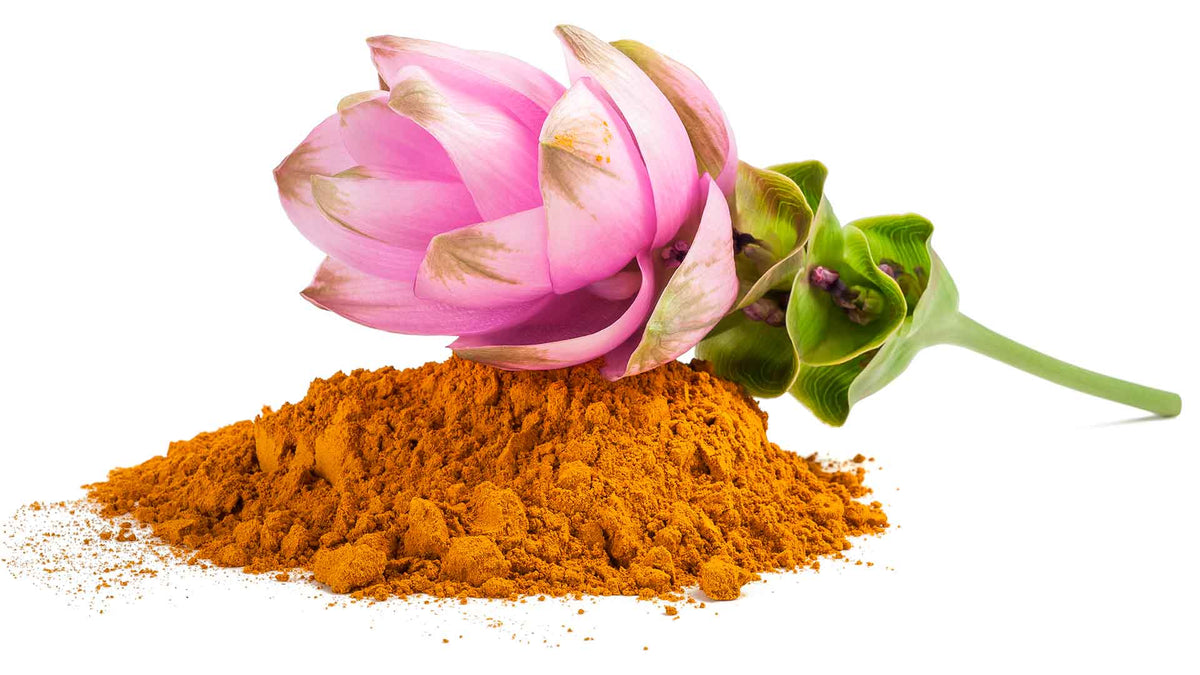
If you have curry in your spice cabinet, then you are also using turmeric. This is because turmeric is the explosively yellow coloring agent in curry blends. Turmeric is also available individually as a spice, and is, by the way, a classic and star in the culinary tradition of Ayurveda. According to this Indian healing doctrine, it balances the three doshas.
Turmeric in Ayurveda
According to Ayurveda, turmeric has a balancing effect on Vata, Kapha, and Pitta due to its "heating" effects and bitter taste. Overall, the sun-yellow turmeric powder is considered a warming, energizing spice. In India, where turmeric is traditionally grown, the root is considered sacred. It can also be found in countries such as China and Africa.
Cooking with Turmeric
Botanically, Curcuma longa belongs to the ginger family, which is why you often read that turmeric is the little sister of ginger. Also known as saffron root or yellow root, the plant can reach a height of up to 1.5 meters. Its highly branched rhizome resembles that of ginger. Once harvested, the rhizome is boiled, processed into powder, and then further utilized. In Southeast Asian cuisine, the fresh tuber is used for cooking. Either way, this golden-yellow spice can be used to refine many dishes, from curry pots and pakoras to "golden milk."
Bitter makes you strong
Its constituents include curcuminoids, which include curcumin. Its essential oil consists of 60% sesquiterpenes, which are the bitter compounds. These are among the secondary plant compounds. In naturopathy, bitter compounds are considered particularly good helpers for the gallbladder and liver.
Turmeric in margarine and mustard
In this country, we know turmeric (also called "Indian saffron") not only as a flavoring and coloring ingredient in curry, but also as coloring agent E100 in margarine and mustard. Since turmeric is the more affordable alternative to saffron but shares similar properties, it is often used as a saffron substitute or to stretch it. In the past, its strong pigments were also used to dye paper.
Things to keep in mind regarding turmeric:
If you have gallstones or other bile duct problems, or if you are taking antithrombotics, you should speak to your general practitioner before taking it.
Also good to know:
- When buying turmeric products, make sure they contain black pepper (piperine). When consumed, piperine ensures that the curcumin can be better utilized by the body; in other words, it increases bioavailability.
- If your fingers or clothes come into contact with turmeric, it will stain. So be careful if you don't want to walk around with yellow fingers. Don't worry, though. It usually comes off after the first wash.