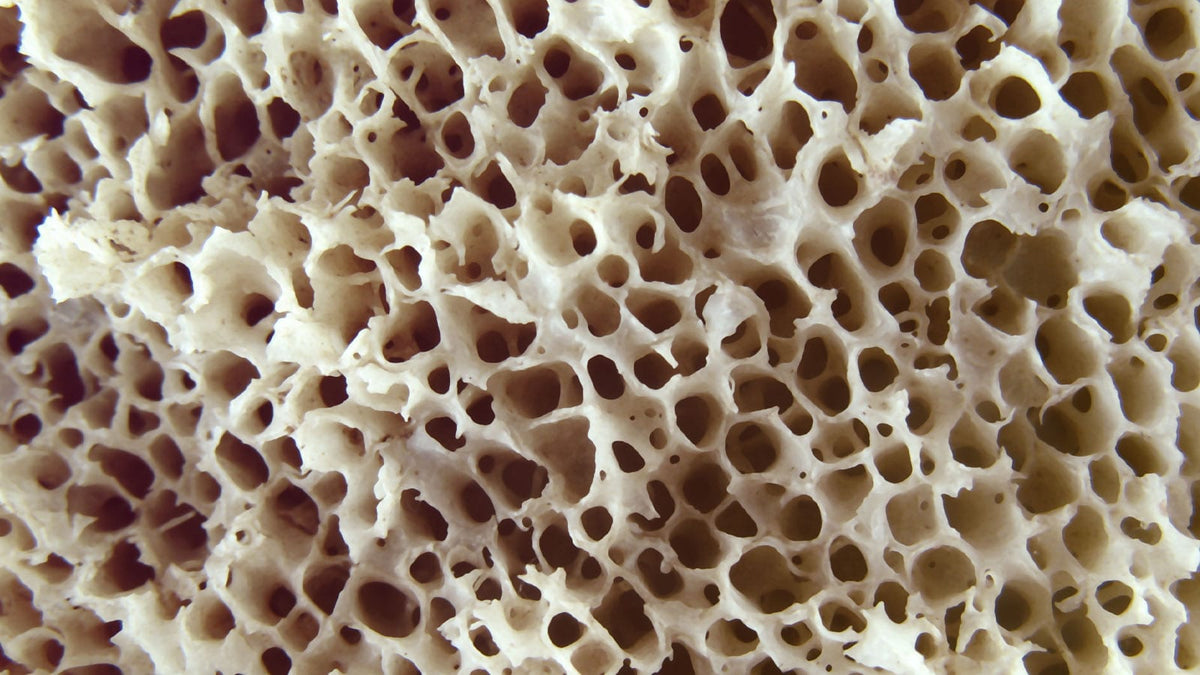
Bone fractures? Unfortunately, they occur more frequently with age. The most common cause is falls in combination with osteoporosis (bone loss). In addition to proper nutrition, regular exercise plays a decisive role in preventing bone fractures, as physical activity boosts bone metabolism. However, the additional intake of calcium can also protect against osteoporosis in old age.
Take calcium supplements?
Around 99 percent of the calcium in the human body is found in the bones and teeth. Did you know that? If the body does not have enough calcium available, it is released from the bones, which reduces bone density.
Study on calcium
Researchers at the University of Sydney in Australia have found that people who consistently take over 1,200 mg of calcium daily can reduce the risk of bone fractures by 20 percent. The Australian scientists reached this conclusion as part of a meta-analysis of 17 studies with a total of 52,625 people over 50 years of age. Therefore, you should ensure a good calcium intake.
Not just good for the bones
The mineral calcium is not only important for bone metabolism. It is also involved in the excitation of nerves and muscles, blood clotting, and the activation of certain hormones and messenger substances.
Where it is found
If you want to ensure a better calcium supply, then look for the following foods. Good sources of calcium are:
- Milk and dairy products
- Kale
- Fennel
- Leek
Are you meeting your calcium needs well?
Calcium needs vitamin D
For better incorporation of calcium into the bones, the body needs vitamin D. Our organism is largely able to produce vitamin D itself in the skin cells via endogenous synthesis - provided there is sufficient sunlight exposure. You need an increased intake through food, especially in the colder season, in winter, because you can then absorb less sunlight.
Cod liver oil and fish are the best sources of vitamin D. In general, fish, especially fatty cold-water fish (such as salmon, sardines, mackerel, herring, tuna, halibut), should be on the table much more often, as few other foods (for example, butter) make a sufficient contribution to the vitamin D supply. Anyone who wants to take a high-quality calcium supplement should ensure that it is combined with vitamin D.
• Would you like to learn more about calcium? You can read more about it here.