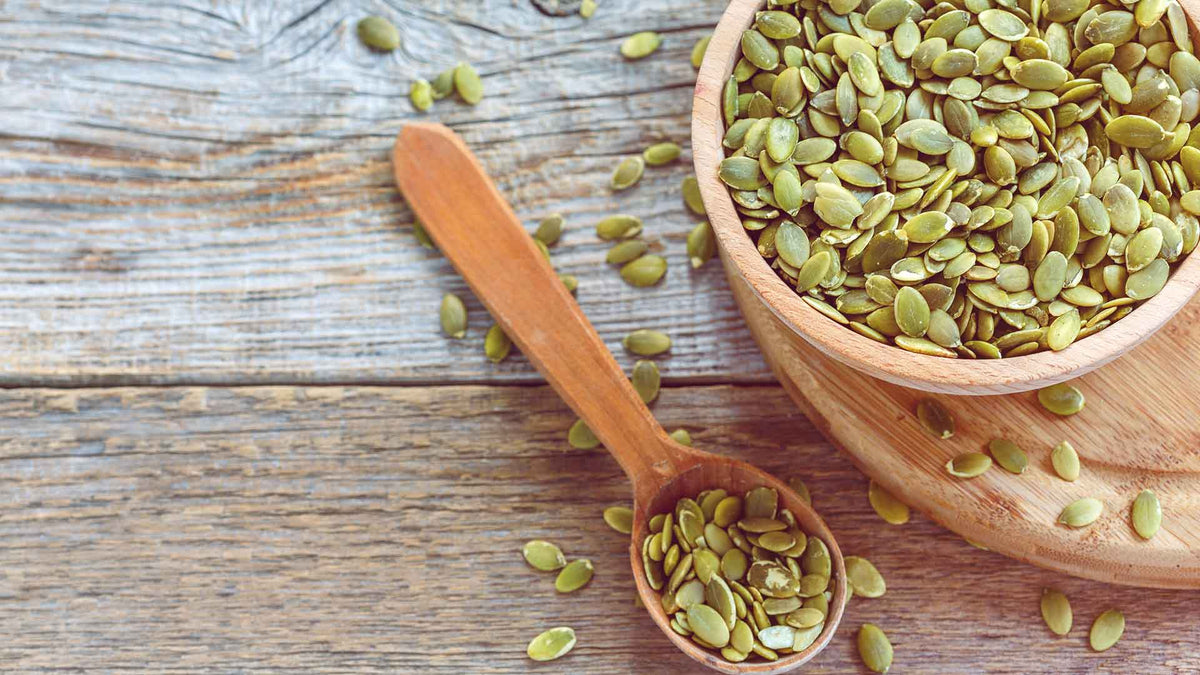
Pumpkins come in many varieties, from greenish to yellow-orange, large to small. As a winter vegetable, they are used to make delicious, warming soups, and at Halloween, they serve as decorations. But pumpkin is particularly interesting for our well-being—strictly speaking, the pumpkin seeds for the bladder and prostate.
Pumpkin flesh and pumpkin seeds contain very valuable nutrients. The seeds alone provide more than 80 percent unsaturated fatty acids, proteins, carbohydrates, trace elements (such as selenium, manganese, zinc, and copper), vitamin E, and phytosterols. These ingredients have been prized since the Middle Ages. Since then, it has been considered a medicinal plant for supporting the bladder and prostate.
How it all began
Pumpkins originally come from America. With the discovery of South America, the pumpkin also reached Europe. Its range of uses was diverse. In the 16th century, it can be found in herbals and writings as a remedy for tapeworms or roundworms, or as a compote for morning sickness.
Culinary pumpkin
In the kitchen, the various pumpkin varieties are highly popular as winter vegetables. Tasty soups, gratins, purees, and even jams are prepared with pumpkin. Pumpkin seeds are also found as a snack for in-between meals, in numerous types of bread, as an ingredient in muesli, or as pumpkin seed oil. When stored correctly, a pumpkin can even last for several months.
However, not all the diverse pumpkin varieties are edible. Of the edible varieties, the giant pumpkin, the Hokkaido pumpkin, and the nutmeg pumpkin are particularly popular. They differ in taste. The Hokkaido, for example, has a nutty aroma and can be used with its skin, which makes it very practical for preparation. The nutmeg pumpkin, as the name suggests, has a taste slightly reminiscent of nutmeg. The flesh is a popular ingredient for desserts, but also for soups and jams.
The pumpkin seeds themselves serve as an ingredient in bread, rolls, and muesli, or simply as a snack for in-between meals and on the go. By the way: have you ever tried stuffed pumpkin blossoms? In addition to the flesh and the seeds, the blossoms are also used in the kitchen. And when people talk about "black gold," they are referring to nutty-tasting pumpkin seed oil.
Pumpkin: Massive medicinal fruit
The popular winter vegetable is not just interesting for the cooking pot. Its valuable ingredients make it a herbal remedy used to strengthen bladder function, for weak bladder, as well as an irritable bladder. Thus, the seeds are considered a herbal remedy to strengthen the bladder muscles and thereby regulate the frequent urge to urinate, as occurs with an irritable bladder.
Pumpkin seeds: Not just for women
Pumpkin seeds are used specifically by men for the symptomatic treatment of benign prostate enlargement. This is because the seeds offer a high content of certain phytosterols, so-called delta-7-sterols, which strengthen bladder function and improve discomfort during urination. They are relatively rare in the plant world. In naturopathy, the daily consumption of pumpkin seeds is therefore recommended for men. A good alternative to pumpkin seeds is also preparations containing pumpkin seed powder. In addition, pumpkin seeds offer plenty of trace elements (such as selenium, manganese, zinc, and copper), vitamin E, and secondary plant compounds.
Pumpkin: Orange antioxidant
The color of the orange pumpkin is due to the secondary plant compound beta-carotene, an effective antioxidant that is converted into vitamin A in the body as needed. This, in turn, benefits our eye health, our skin, and our mucous membranes. In general, the pumpkin is valued for its antioxidant ingredients, which strengthen the body's defenses and neutralize free radicals.
• Are you interested in health products containing pumpkin seed? You can find more information here.