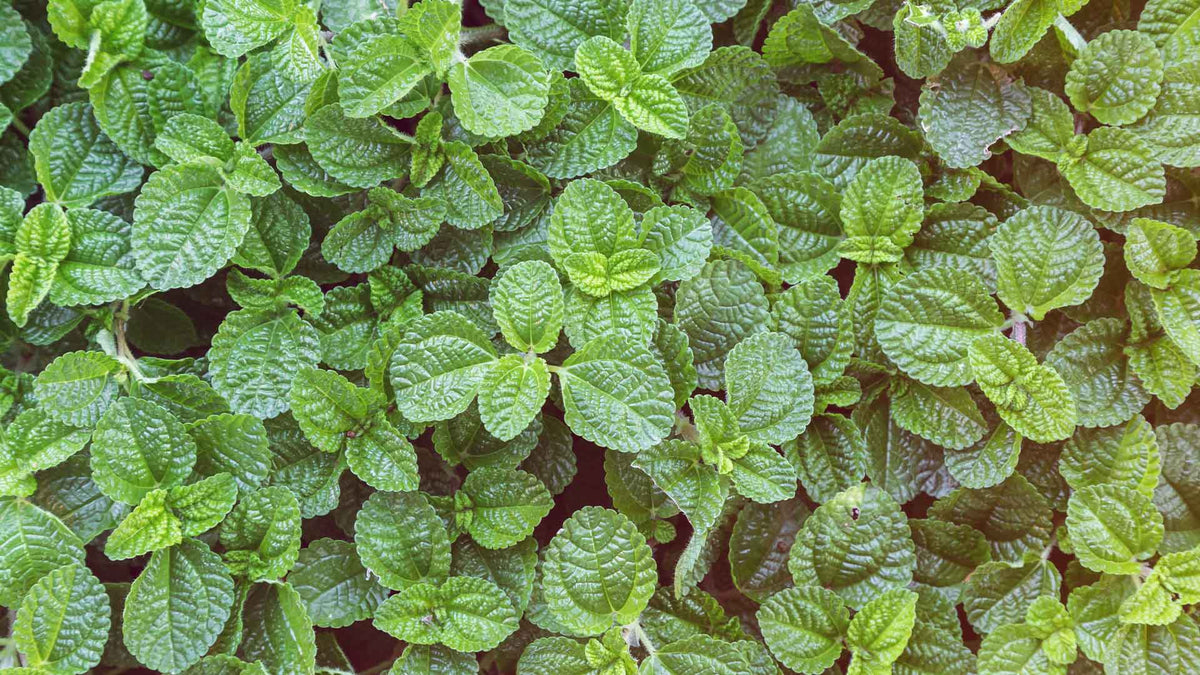
As a tea, as a liqueur, in mojitos, in smoothies, as a medicinal product, as a seasoning ... Peppermint has many uses. The leaves of Mentha x piperita L., as it is also known, contain many valuable ingredients for your well-being.
Peppermint is used both as a medicinal herb and as a seasoning in the kitchen. The older leaves are picked in summer and usually reach the market dried as tea. In some North African or Arab countries, peppermint tea is a national drink. Peppermint is also sometimes used as an addition to cocktails such as mojitos or made into peppermint liqueur. Another portion of the leaf harvest is used to extract peppermint oil, which is used for flavoring, among other things. Peppermint leaves contain essential peppermint oil, the most important component of which is menthol.
Good for the stomach and intestines
Peppermint is very popular as a medicinal plant in folk medicine. However, it only unfolds its effect from a certain active ingredient content, which it does not reach as a food product from the supermarket. Only as a medicinal product is the concentration of ingredients such as essential oils, flavonoids, and tannins high enough to have an antispasmodic effect on the stomach and intestines, stimulate bile flow, help with flatulence, and have antibacterial properties. The oil can be used externally by rubbing it in for headaches or colds or by inhaling it.
Botanical information
The peppermint tea known to us is a natural hybrid of two mint species (spearmint and water mint). Since peppermint is characterized by its high menthol content compared to other mints, it has been bred into many subspecies and varieties. The Mitcham variety, bred not far from London, is the most famous of these. The name peppermint also has to do with the increased menthol content, as it tastes sharper than milder varieties. The perennial, frost-hardy plant grows up to about 90 cm tall. The often reddish stem is slightly hairy, and the pink-violet flowers are arranged in false spikes.
Distribution of peppermint
Mentha x piperita L. prefers temperate climates and grows primarily in Central Europe. Well-known growing regions can be found in England, Asia, the USA, and Spain, but also in Franconia, Bavaria, and Thuringia.
Caution with peppermint oil
Essential oils should not be used on the faces of infants and small children! In general, peppermint oil should not be applied to open wounds or come into contact with the eyes. In sensitive individuals, peppermint oil taken internally can cause stomach upset. Peppermint tea is generally well tolerated. Only allergic reactions have been reported. For those with gallstone disease, use only after consultation with a doctor.
• Would you like to know which health products contain mint? Click here.