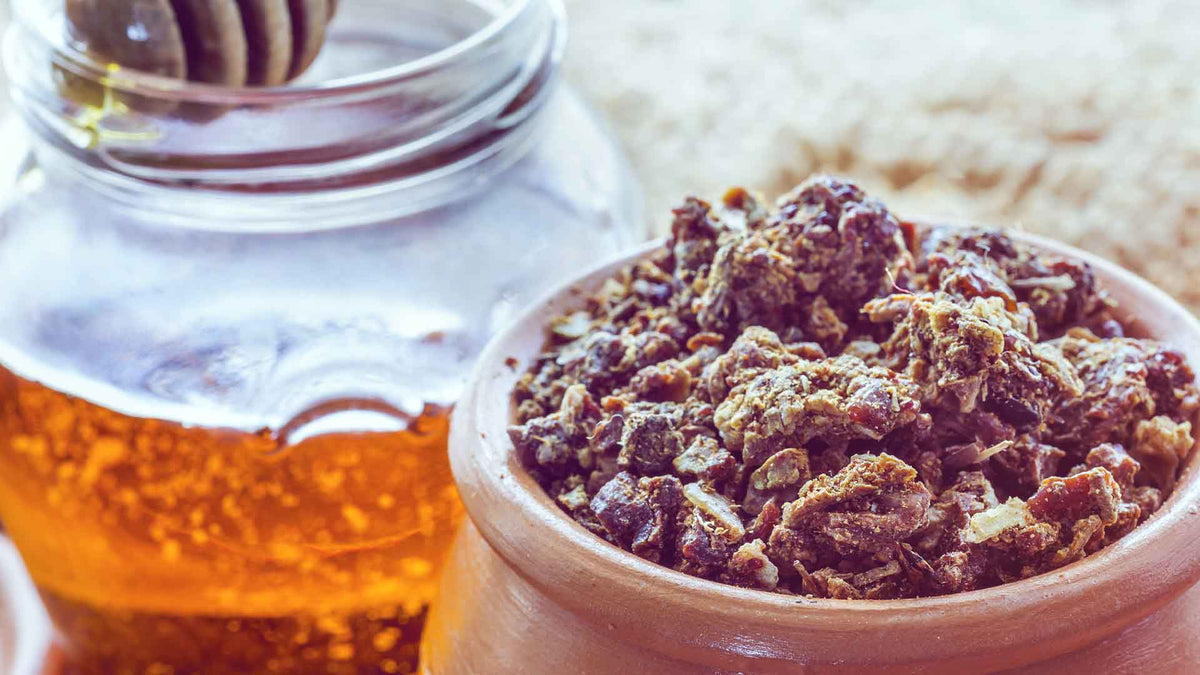
Honey bees protect their hive from germs, fungi, and pathogens with propolis. This is because propolis has antibacterial, antiviral, and antifungal properties. This unique substance is also valuable for humans, as it is considered a natural tonic for the immune system.
What is propolis?
Propolis comes from Greek and literally means "for the city." German terms for this sticky, resinous substance include bee glue or hive resin. High temperatures and high humidity prevail in the beehive. As a result, diseases caused by bacteria, fungi, or microorganisms can easily spread. Bees seal the hive with the tree resin mixture, because propolis has antibacterial, antiviral, and antifungal properties. They also protect the honeycomb cells where the brood grows with propolis. If foreign objects enter the hive, the bees coat them with the substance to render them harmless. For humans, it is considered a natural tonic.
What ingredients does propolis contain?
The resinous base material is collected by special propolis bees from tree wounds or flower buds (especially poplars). They then mix it with wax, pollen, essential oils, and a salivary secretion to create the finished building material. Propolis strengthens the immune system because it is rich in flavonoids, vitamins, and trace elements. The composition depends on the plant species and the bee species, among other factors. Wherever there are beehives, propolis is also produced.
How does propolis work?
The wound-healing power of propolis was discovered as early as antiquity. Where antibiotics only work against bacteria, propolis also works against infections caused by viruses and fungi. On the one hand, propolis contains bacteria, viruses, and other pathogens and is therefore referred to as a "natural antibiotic." On the other hand, the healing process is promoted by the trace elements and vitamins it contains. Propolis therefore strengthens the immune system and promotes the body's own defenses. For example, during times of physical strain, colds, and stress. Bee resin is also used for skin diseases as well as for wounds and inflammation in the mouth and throat. However, one should perhaps refrain from taking propolis if one has corresponding allergies or hypersensitivity.
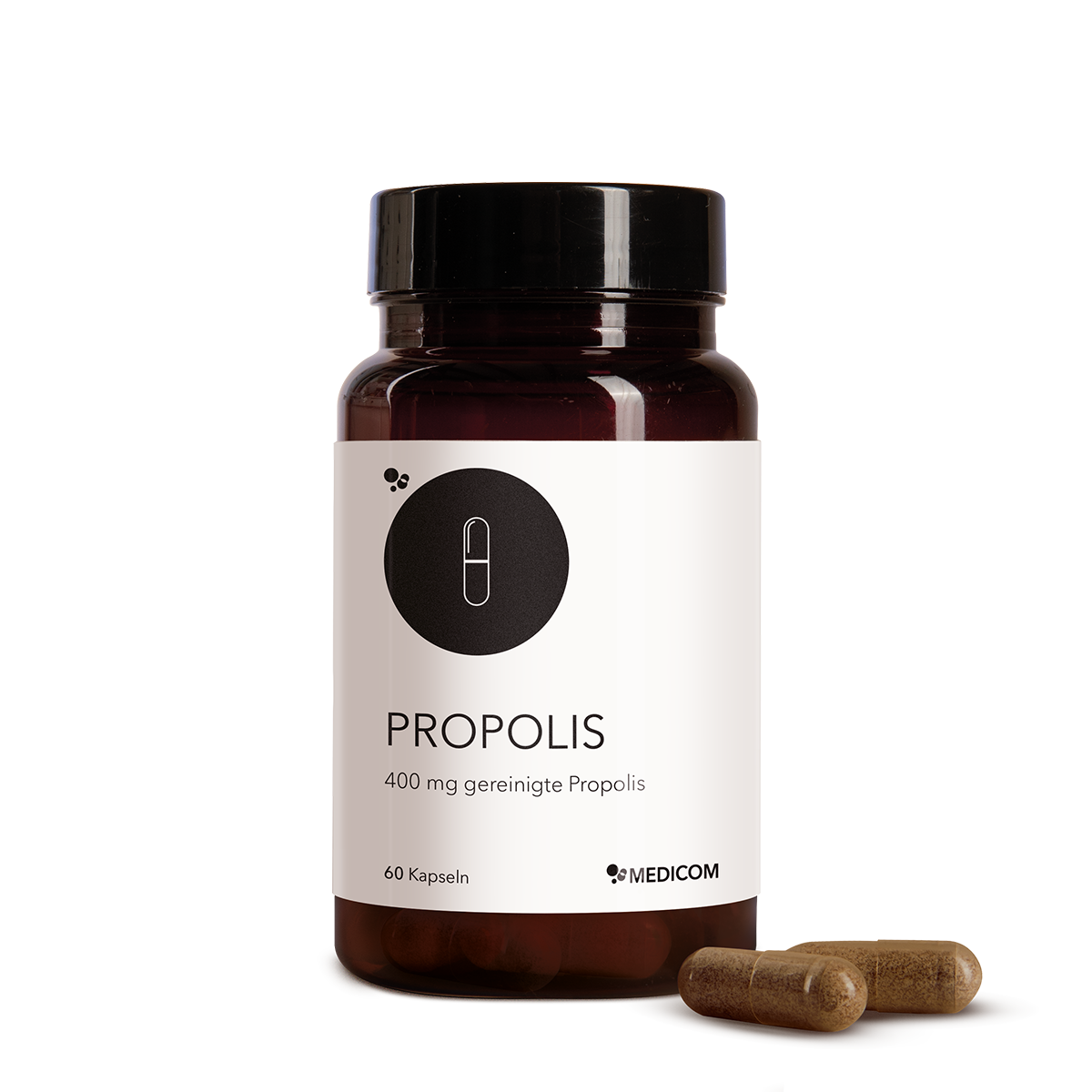
Propolis
The Power of the Beehive: Propolis
Conclusion
Propolis has been used as a natural remedy since antiquity. Even today, we can benefit from the strengthening effect of this bee substance. Numerous valuable ingredients, such as flavonoids, make bee glue a secret tip for many situations.
You can find dietary supplements with propolis here.