Dietary fiber is often considered a "nice to have." It’s thought to be somewhat good for digestion, but nothing more. Current research, however, paints a different picture: fiber is among the most important yet most underestimated factors for long-term health. Despite this, most people don’t even reach half of the recommended daily amount. You can read about why this is the case—and, more importantly, how to easily change it—right here, including tips and examples for everyday life.
What is dietary fiber anyway?
Dietary fiber is a component of plant-based foods that the body cannot fully digest. That is exactly what makes it so valuable.
It works not just in the gut, but throughout the entire body—via various mechanisms.
- It binds substances in the digestive tract.
- It is processed by gut bacteria.
- It influences the metabolism, the immune system, and inflammatory processes.
In short: Fiber is not just a "filler"—it is an active component of your diet.
Why dietary fiber is so important for health
Major studies show that people with a high fiber intake have a lower risk of:
- cardiovascular disease
- metabolic problems
- certain types of cancer
- and, overall, a lower risk of premature mortality.
The important thing to note:
It is not about one single food or a "super-substance."
It is about a dietary pattern that regularly includes sufficient fiber.
How much fiber do you really need?
The recommendations are approximately:
- 25 g per day for women
- 30–38 g per day for men
However, the reality is often different: many people only manage about 10–15 g daily.
This means that the biggest health lever often lies not in perfection, but in closing this gap.
The biggest mistakes in everyday life
The problem is rarely a lack of knowledge.
The most common reasons are:
- highly processed foods
- not enough vegetables and legumes
- quick, convenient meals without structure
- a lack of habits.
And let's be honest: fiber is not "spectacular." It isn’t advertised like trendy protein or expensive peptides. But that is exactly where its strength lies.
The biggest mistakes when starting out:
- Too much, too soon:
This can lead to bloating or discomfort. - Not drinking enough water:
Fiber requires fluids. - Focusing on individual products instead of the big picture:
It’s about your diet, not a "quick fix." Better: increase intake slowly and remain consistent.
How to increase your fiber intake in everyday life
Small steps with a big impact:
- Breakfast: Oatmeal instead of white bread
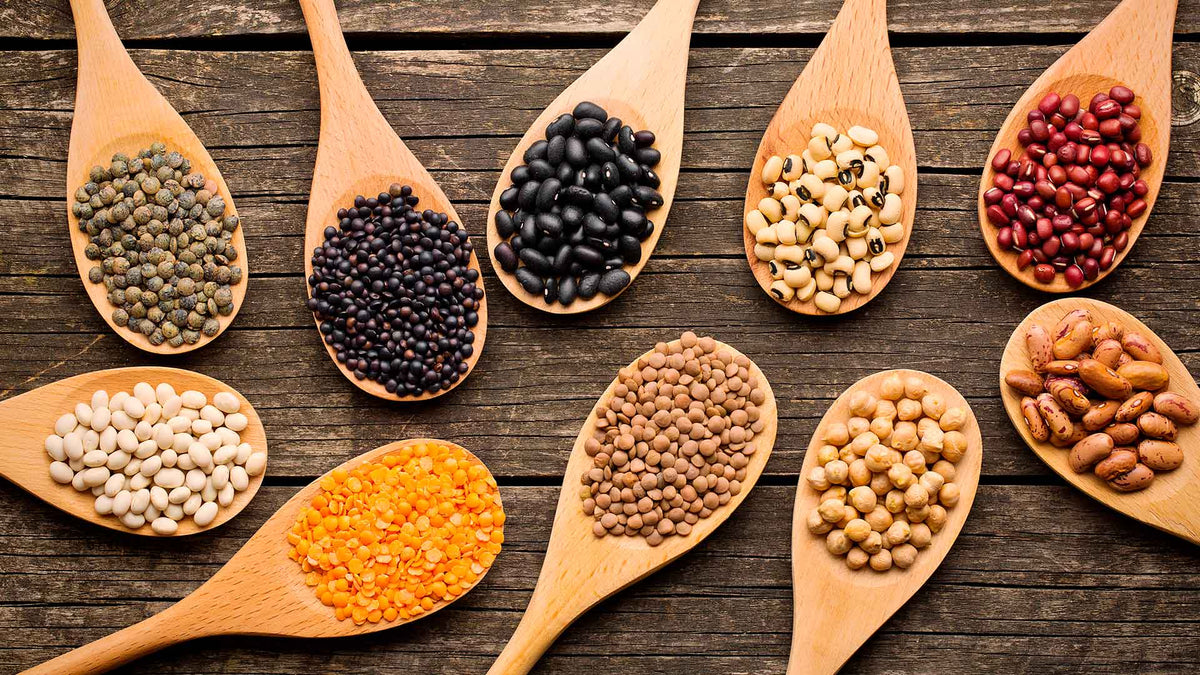
- Lunch: Incorporate legumes (lentils, chickpeas)
- Snacks: Nuts instead of processed products
- Consciously increase vegetable portions
Concrete foods and examples
- 1 serving of lentils → approx. 15 g of fiber
- 1 avocado → approx. 10 g
- 1 cup of berries → approx. 8 g
- 1 portion of broccoli → approx. 5 g
You don't have to change everything; a few targeted adjustments are often enough.
And what if it's not enough in everyday life? The reality is: not everyone manages to get enough fiber through their diet every day. In these cases, supplemental solutions can make sense, especially if they are well-tolerated and can be integrated into daily life. It remains important to remember:
They do not replace a healthy diet; they can only meaningfully supplement it.

What to look for when buying fiber powder
Not all fiber powders are the same. Anyone wanting to use a supplement should take a close look at the ingredients. It pays off.
What to look for:
-
Different fiber sources
Combinations of various fibers are useful, e.g.:- acacia fiber
- inulin (from chicory root)
- resistant starch / resistant corn dextrin
- psyllium husks
-
Prebiotic properties
Some fibers serve as "food" for gut bacteria and can thus contribute to dietary diversity. This includes, for example, inulin or acacia fiber. -
Good tolerability
Especially those with sensitivities should start slowly and increase the amount step by step. A neutral taste and good solubility also help to ensure the product is actually used regularly. -
Everyday convenience
The best product is of little use if it stays in the cupboard. Powders that are easy to stir into things are practical—e.g., into:- yogurt
- muesli
- smoothies
- juice
- water
-
High fiber content, no unnecessary extras
A good fiber product should have a high fiber proportion, be clearly labeled, and contain no unnecessary additives.
Important: Fiber powder does not replace a fiber-rich diet. However, it can help make your daily intake easier and more consistent—especially when vegetables, legumes, whole grains, nuts, and seeds are missing from your daily routine.
The "Fibermaxxing" trend
A clear trend has emerged in recent years. Fiber is moving back into the spotlight—sometimes under terms like "Fibermaxxing" on social media.
This doesn't refer to something new, but rather the conscious increase of daily fiber intake, which often forms the basis for:
- stable blood sugar levels
- better satiety
- support for gut health
Even in the context of modern therapeutic approaches, such as the use of GLP-1-based medications, nutritional components like fiber and protein are gaining importance.
Why? Because a reduced food intake does not automatically mean that the body is optimally nourished.
Precisely then, what you eat becomes decisive. Fiber can help effectively support satiety, digestion, and metabolic processes.
However, the important thing to remember is: fiber is not a "trend tool," but a long-term part of a balanced diet.
Why drinking enough water is crucial
Fiber needs water. Without sufficient fluid intake, it cannot unfold its full effect. On the contrary: it can lead to a feeling of bloating or constipation.
Why? Fiber swells in the gut, binds water, and influences the consistency of bowel contents. Without fluids, the foundation for these processes is missing.
Practical recommendation:
- Always combine fiber intake with drinking enough water.
- Drink throughout the day, not just at one time.
- Simple guideline: at least 1.5–2 liters daily (adjust individually).
Conclusion: Why fiber is the foundation
Fiber is not a trend. It is not a short-term solution.
It is one of the simplest ways to do something for your health long-term.
And the best part:
- You don't have to do anything perfectly.
- You just have to start.
Often, the biggest effect lies not in the next "big hack,"
but in the things we do every day.
FAQ: Frequently asked questions about fiber
How much fiber should one consume daily?
About 25–38 grams per day, depending on gender and requirements.
Which foods contain a lot of fiber?
Vegetables, legumes, whole grain products, nuts, and seeds.
Can you consume too much fiber?
Yes, digestive problems can occur, especially if you start too quickly. Therefore, you should increase the amount slowly.
• Would you like to know which fiber products are available? You can find out more here.
• Would you like to stay informed about health topics and health products? You can subscribe to the free Medicom newsletter here and take advantage of an attractive one-time introductory discount.