The cold is back. When it’s wet, icy, and gray outside, you prefer to sit within your own four walls, turn up the heat, wrap yourself in knitwear, and bury yourself under wool blankets. What truly warms you up now are thermal foods—dishes and nourishment that provide you with warmth from the inside. This will really warm you up. Cold was yesterday!
Heating the body from within? This can be achieved with select foods, spicy seasonings, and aromatic herbs. Ancient Asian healing doctrines such as Ayurveda or Traditional Chinese Medicine (TCM) offer many creative ideas for warming dishes that can enrich our modern winter cuisine. Warming food helps to stoke the body and metabolism. On top of that, it also strengthens your immune system and tastes really good. Just the thing to strengthen body and soul in winter.
Warming foods: heating up from the inside
In the cold, icy winter months, we usually drag ourselves through the days feeling constantly chilled. Women are particularly affected by limbs numbed by the cold, as they have less muscle mass and a different metabolism than men. The cold finds its way through even the thickest wool socks and knitted scarves. While our desire for cool drinks and fresh salads rises in the summer, in winter we simply crave cozy, warming dishes: "soul food" that literally makes us feel "warm around the heart." In TCM, for example, people have therefore been swearing by the thermal effect of special foods for centuries.
What are thermal foods?
Whether the goal is to stimulate the so-called "digestive fire" according to Ayurvedic nutritional principles or to activate the energy flow according to TCM, both Asian healing doctrines share the goal of supplying the organism with new strength and providing all parts of the body with energy—in other words, warmth. Thermal foods regulate your body temperature. When it’s cold, you need different food than you do on warm or hot days—namely, cold-weather food.
Foods that keep you warm
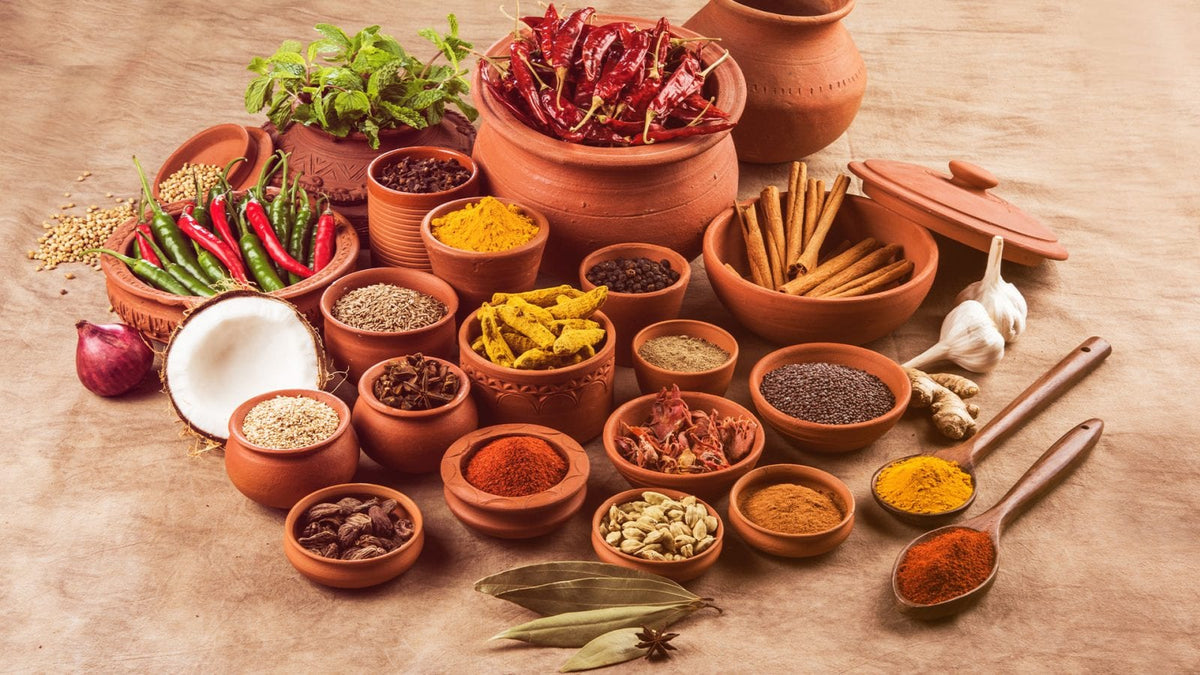
So-called thermal food—warming foods—includes not only warming herbs and spices such as chili, ginger, turmeric, pepper, coriander, and cinnamon. Seasonal winter vegetables play an equally important role in the right anti-frost diet. Especially regional fruit and vegetable varieties, like those our grandmothers used in soups, stews, or compotes, are now at the top of our winter menu. These include, for example, carrots, beetroot, spinach, tomatoes, radishes, and types of cabbage. These also contain important vitamins and secondary plant compounds such as antioxidants. This strengthens our immune system against illnesses, especially in winter. In addition to vitamin C and B vitamins, beetroot also contains potassium, iron, and flavonoids. Seasonal fruit varieties such as apples, plums, pears, and quinces supplement this vitamin-rich diet.
Lentils, onions, leeks, and (sweet) potatoes are also recommended as effective warming foods. Cereals that have a thermal effect include barley, millet, quinoa, and whole-grain rice, as well as especially oats and corn, which, as high-quality sources of zinc, support the immune system. They are excellently suited as a base for healthy anti-cold dishes and can be used to prepare wholesome porridges and casseroles.

Spicy makes it hot
Turmeric, ginseng, & Co.—the right roots for your meal plan with warming foods. The right choice of spices takes on a special significance in winter. Spicy ingredients like chili, pepper, or ginger and turmeric not only intensify the flavor, they also activate your inner "fire." Spiciness does not just promote our energy and inner warmth; it also supports our nutrient utilization, strengthens the immune system, and protects our blood vessels.
Digestive fire according to Ayurveda
TCM and Ayurveda recommend warm and cooked food for people who chill easily. This supports the "digestive fire." Braised or steamed vegetables and stews are supplied with thermal energy through longer cooking times. Our organism can make excellent use of this. In winter, you should avoid buying raw food and leaf salads, and eat food at room temperature rather than straight from the refrigerator.
Even a buttered slice of bread in the morning or evening is not very warmth-promoting. Instead, fall back on lightly steamed fruit and grain porridges. Warm breakfast porridges, for example made from oats or ground millet with warm apple-cinnamon compote, are popular, especially among children. Add a hot drink, and the morning shivering gives way to cozy warmth.
Ginseng strengthens the Yang
The invigorating ginseng root has been used in TCM for over 5,000 years. Its immunizing effect also makes ginseng a popular winter root and a warming food in this country as well. According to the "Yin and Yang" nutritional philosophy of Chinese cuisine, one should begin eating "Yang foods" (Yang stands for warmth) at the start of autumn. Ginseng is then often used in soups or as a tea. A traditional Chinese chicken soup with ginseng, for example, is considered a "natural antibiotic."
Turmeric heats up the digestion
Turmeric, also known as the "yellow root," has long held an important place in Asian nutritional teaching. It is not only the warm yellow color, for which the pigment curcumin is responsible, that inevitably reminds us of warming sunbeams. The essential oil and curcuminoids of this ginger plant also have a positive influence on our immune system and metabolism. The availability of the health-promoting curcuminoids can be significantly increased not only by heating, but also by piperine, a component of black pepper. Turmeric as an ingredient is therefore particularly well-suited as cold-weather food for wintery curries, soups, or stir-fry dishes.
Maca for circulation
Maca, or "Andean ginseng," is also known for its invigorating effect. Since Maca promotes blood circulation—which is also due to the mustard oil it contains—it is perfectly suited for the cold season. Mustard oil glycosides are among the secondary plant compounds that have an antioxidant effect and strengthen our immune system. The Peruvian root is usually ground into powder and can, for example, refine nut milk, coffee, or warm grain porridges. And maca powder, mixed with cocoa, conjures up a true firework of flavor.
Classic: warming tea enjoyment
What could be nicer on a snowy winter evening than a hot tea? Prepared with warming spices such as fennel or ginger tea, the hot beverage gets the body going. Chai or Yogi tea are also perfectly suited, as they contain a lot of warming ingredients like chili, pepper, cinnamon, or licorice. Matcha, the traditional green tea of Asian monks, is also a popular body-warmer and energy booster. A hot chocolate with matcha powder helps us to get through the cold season warm and awake.
"Good" fats for good digestion
Warmth is generated by burning fatty acids. But only by using the right fats can trouble-free digestion and thus a well-functioning metabolism be guaranteed. Unsaturated fatty acids not only promote healthy digestion, they also support our immune system and prevent inflammatory diseases of the respiratory tract.
For high-heat cooking, clarified fat such as "ghee" is particularly suitable. Nut oils like sesame or peanut oil are great for refining dishes.
Thermal foods at a glance
- According to TCM and Ayurveda, there is food that activates the energy flow and supports the digestive fire. This means these are foods that provide warmth and strength.
- Look for food with a "heating factor": ginseng, turmeric, piperine (black pepper), ginger, cinnamon, and maca.
- Prefer warm over cold for breakfast and meals in autumn and winter. This includes: warm breakfast porridge, soups and stews for lunch and dinner, and cooked vegetables.