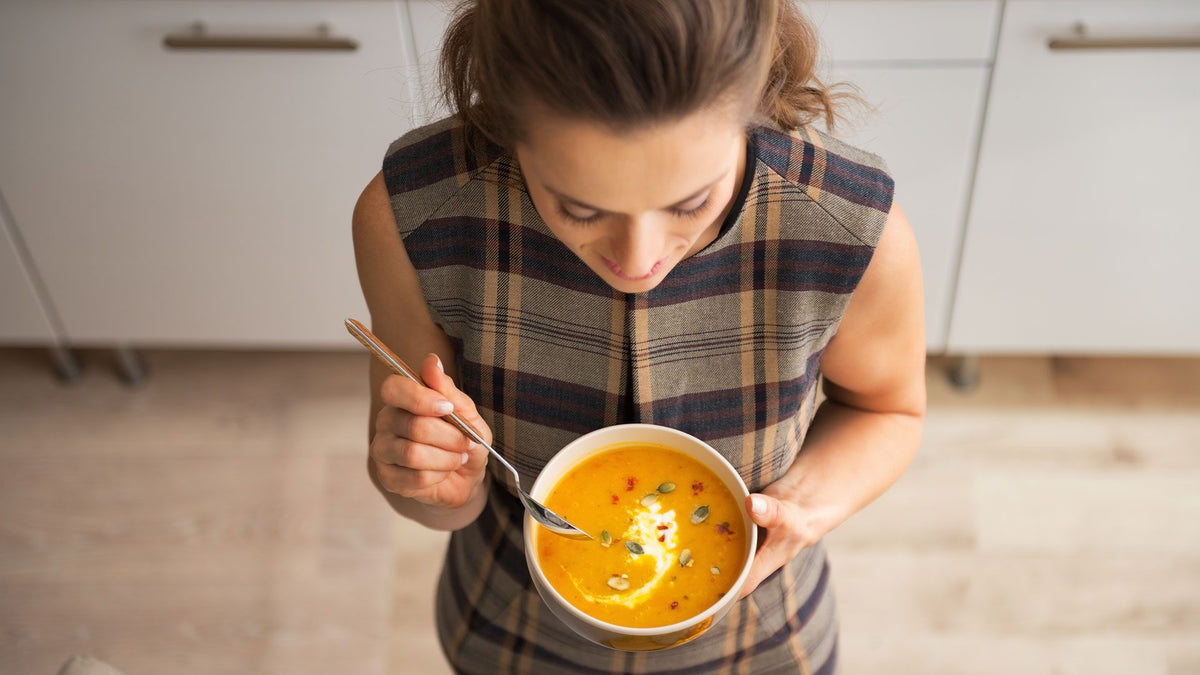
Nutrition and the psyche share a reciprocal relationship. In this guest article by Dr. med. Sarie Ann Haisch, we learn which foods should appear on the table more often and how they can strengthen psychological resilience.

About the author:
Dr. med. Sarie Ann Haisch is a practicing psychiatrist and psychotherapist at the Areion Competence Center in Neu-Ulm, specializing in the treatment of stress-associated disorders. Previously, she worked in various inpatient facilities, such as the University Hospital of Ulm, the Sanatorium Kilchberg in Switzerland, and the Center for Psychiatry in Ravensburg. Furthermore, she completed training as a business coach at the CIP Munich. In addition to her therapeutic work, she offers seminars and workshops for companies. Her key topics include burnout prevention, healthy employee management, and strengthening resilience.
Which foods strengthen us?
The following vital substances support our well-being and strengthen our psyche:
- Tryptophan, the precursor to serotonin
- Omega-3 fatty acids
- Magnesium
- Vitamin D
- Zinc
- Selenium
- Folic acid
Where can you get tryptophan, the precursor to serotonin?
Tryptophan, as a direct precursor to the happiness hormone serotonin, is not produced by the body itself, meaning the body is dependent on "external" intake. It is found particularly in the following foods:
- Lentils
- Peanuts
- Tuna
- Chicken
- Low-fat quark
- Soybeans
- Cashews
- Unsweetened cocoa
- Oats
Why do we need omega-3 fatty acids?
The regular intake of omega-3 fatty acids also proves to be stabilizing for the stress nervous system, as it inhibits inflammatory processes (cytokine modulation), which in turn can promote depression.
Good sources of omega-3 fatty acids are:
- Fatty sea fish (salmon, tuna)
- Flaxseeds
- Linseed oil
- Krill oil
- Hemp seeds
- Hemp oil
- Walnuts
- Walnut oil
- Chia seeds
Why is frequent consumption of omega-6 fatty acids harmful?
Frequent consumption of omega-6 fatty acids, on the other hand, such as those used in lower-quality fats (e.g., processed products, frying fats), increases the risk of depression because they stimulate cytokine production and reduce serotonin levels.
Which vitamins, minerals, and trace elements are good for your mood?
Furthermore, a number of vitamins play an important role in the production of happiness hormones. Listed below are these vitamins, minerals, and trace elements for a good mood as well as their respective primary sources:
Magnesium: important for the process of activating serotonin and dopamine.
- Dark green vegetables (broccoli, kale)
- Millet
- Sunflower seeds
- Bananas
- Turkey meat
Vitamin D: in combination with sunlight, essential for the production of serotonin and important for overall bone metabolism.
- Fatty fish
- Cod liver oil
- Egg yolk
- Dairy products
- Button mushrooms
- Porcini mushrooms
- Avocado
- Beef liver
Zinc: increases the production and function of neurotransmitters (chemical messengers) in the brain and strengthens the immune system.
- Eggs
- Legumes
- Flaxseeds
Selenium: in addition to its important function for the thyroid gland, it also has antioxidant (anti-inflammatory) properties and thus acts as a protection against depression.
- Brazil nuts
- Fish
- Beans
Folic acid: influences numerous metabolic processes in the body, including blood formation and the production of chemical messengers in the brain.
- Cabbage varieties (broccoli, Brussels sprouts, cauliflower)
- Spinach
- Asparagus
- Summer salads
- Tomatoes
- Oranges
- Whole grains
- Wheat germ
- Soybeans
- Potatoes
- Eggs
- Liver
When do dietary supplements make sense?
If the intake of the substances mentioned above, such as tryptophan, omega-3 fatty acids, magnesium, zinc, selenium, vitamin D, and folic acid, cannot be guaranteed on a regular basis, high-quality dietary supplements can naturally be used as a supplement.
Conclusion
With a targeted diet, we can strengthen our psyche, promote resilience, and influence our mood. It is important to pay attention to foods that support the production of happiness hormones like serotonin and have an anti-inflammatory effect, such as omega-3 fatty acids. Frequent consumption of omega-6 fatty acids should be avoided. Certain vitamins, minerals, and trace elements promote the production of happiness hormones and chemical messengers and can protect cells. If you cannot regularly obtain tryptophan, omega-3 fatty acids, magnesium, vitamin D, zinc, selenium, and folic acid through food, dietary supplements are a sensible option.
Mini-series in the online magazine on nutrition, the psyche, and mental health with psychiatrist Dr. med. Sarie Ann Haisch
Together with Dr. med. Sarie Ann Haisch, Medicom will explain the reciprocal relationship between nutrition and mental health in a mini-series and provide simple health and nutritional advice. This allows everyone to read and apply tips and advice individually. This does not replace a visit to a specialist. It is a good starting point to become informed, motivated, and to find ways to strengthen mental health through the right diet. This is how you actively take care of your own well-being.
- Would you like to know more about nutrition and the psyche? In "How food influences our psyche and vice versa," Dr. med. Sarie Ann Haisch explains what this interplay looks like.