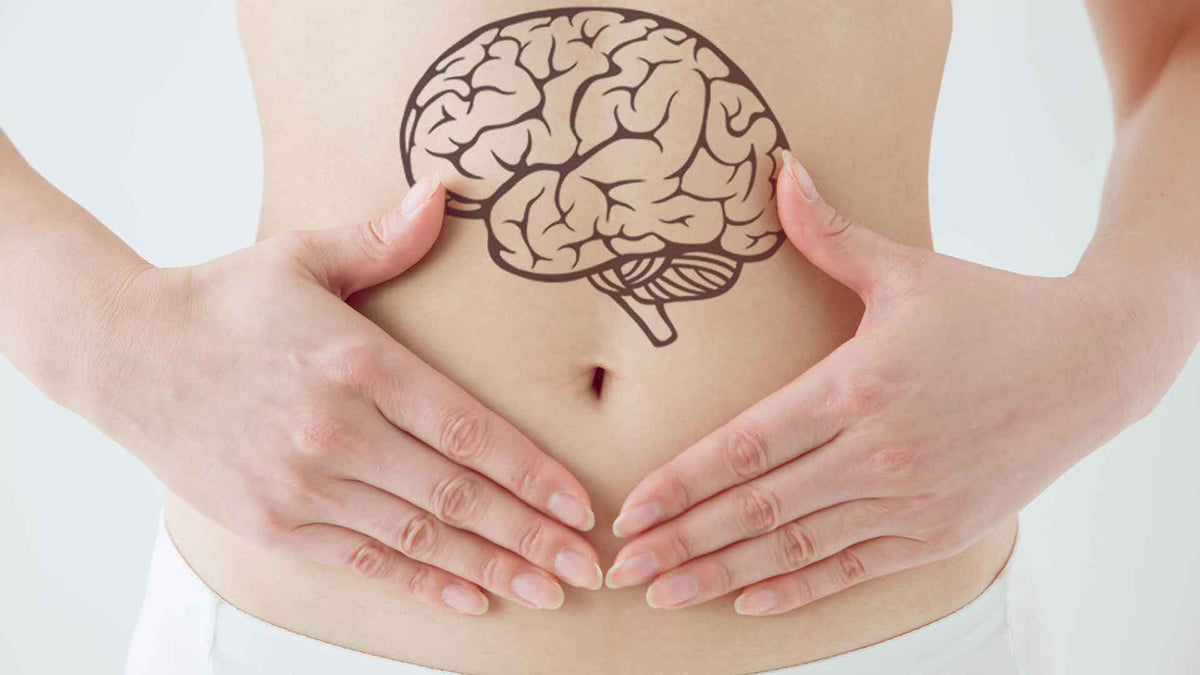
Are you feeling well, are you feeling poorly? You have to ask your gut that question. Because the intestine is much more than just a "food processor." We have known this since the bestseller "Gut: The Inside Story of Our Body’s Most Underrated Organ" by Giulia Enders, at the latest. Emotions, feelings, "gut feelings," good or bad moods, the immune system, ailments, and illnesses are influenced by the gut more than we suspect. For example, when we are in love, we have "butterflies in our stomach"; when we are hungry, it can lead to fatigue or a bad mood. When we are afraid or stressed, our digestion can be impaired. Many processes take place in the gut that regulate our overall sense of well-being.
The gut brain is not a conjecture. There is a technical medical term for it: the "enteric nervous system" (ENS). "Enteric" comes from ancient Greek and stands for intestine. This nervous system is a network of nerve cells that extends throughout the entire gastrointestinal tract. Up to 200 million nerve cells are bustling in the gut. They control and regulate many processes and interact with the autonomic nervous system. That is why the abdomen is also called the second brain.
The second brain
Once food has found its way to the esophagus, the ENS takes command. It controls stomach and intestinal functions. For example, it releases secretions in the stomach and intestines, processes and utilizes nutrients from the meals consumed, and ensures bowel movements. Immune defense is coordinated in the gut brain, and "instructions" are sent to other internal organs, such as the kidneys or liver.
Gut to brain, brain to gut: please report!
The thinking organ and the abdominal organ talk to each other. In gastroenterology, people even speak of a dedicated "communication channel," the so-called gut-brain axis. Information is exchanged via this channel. When we eat and satisfy our hunger, a feeling of satiety is "reported" to the head brain. If we have toxins in the digestive tract that cannot be broken down, both brains give the command: get it out! This can then manifest as vomiting or diarrhea.
It is interesting that the gut brain communicates more information to the brain than vice versa. Means of transport are necessary for forwarding information on this "gut-brain highway." These transport media are fatty acids, which the body or the gut partly produces itself and partly has to absorb through food.
In short:
- In addition to the head brain, there is a second brain, the gut brain. Stress, emotions, feelings, body awareness, decisions, etc., are influenced by the gut.
- The second brain has a name: ENS (enteric nervous system). It forms a network of nerve cells. The gut brain sends information to the brain.
- Based on the information that the brain receives from the gut brain, for example, a feeling of satiety or well-being occurs. This information is exchanged via the gut-brain axis.
• Do you want to know how your digestion works? You can find out more about it here.
• Would you like to support your digestion? Click here.