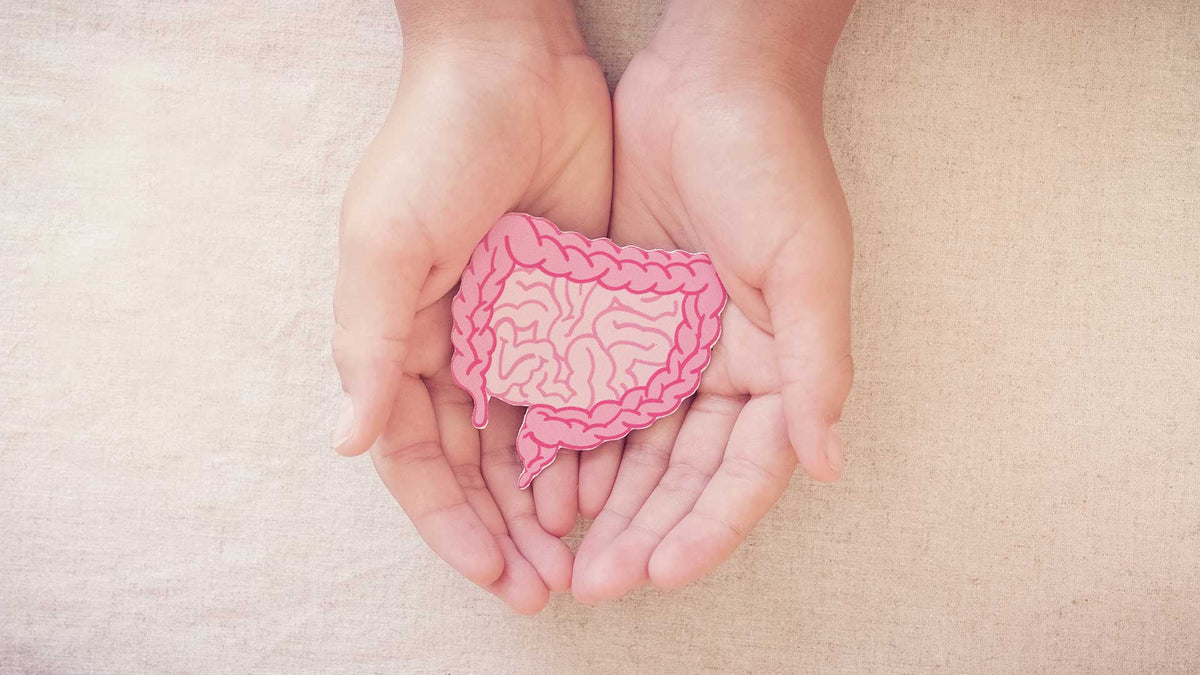
Gut health plays a major role in our well-being and our immune defenses. Scientific evidence is now mounting that the effectiveness of vaccinations is also improved by a healthy gut flora. Probiotic bacteria in particular could play an important role here.
What does the effectiveness of a vaccination depend on?
Whether it’s measles, the flu, or Covid-19: vaccines offer the best protection against such invaders. However, how well vaccines work depends on a number of factors. In some people, significantly more antibodies and robust immune cells are formed after a vaccination than in others. This has to do with the individual profile of every person and has not been researched down to the last detail.
What is the microbiome?
However, clinical studies increasingly reinforce the assumption that the composition of the bacteria in the human gut is of great importance for the organism's respective immune response. No wonder, given that a good 70 percent of human immune cells are located in the digestive tract. This is also referred to as the "microbiome." In a broader sense, it refers to the totality of all microorganisms on our planet; in a narrower sense, it refers to all bacteria, viruses, and fungi that colonize the human organism. Since a large proportion of these living beings are found in the gut, the term microbiome is sometimes used simply to refer to the gut flora. The importance of these microorganisms for our physical and mental state has been increasingly proven in recent years with the help of modern methods.
What do gut bacteria have to do with the immune system?
Immune cells encounter the bacteria living in the small and large intestine and are influenced by them. Depending on the composition of the microbiome, metabolic products such as hormones, vitamins, and short-chain fatty acids are produced in varying concentrations. This in turn strengthens or weakens the immune cells. Importantly, the stimulation of the immune cells does not take place solely in the gut. The corresponding metabolic products (metabolites) reach the spleen, bone marrow, or lymph nodes via the blood, for example, and stimulate the immune response there. Thus, an intact microbiome forms the basis for a strong, yet not overreacting, immune system.
What is the connection between vaccine effectiveness and gut bacteria?
Studies on mice provide initial evidence of a connection between an intact gut flora and vaccination success. The animals that were raised completely germ-free and therefore without an intact microbiome produced significantly fewer antibodies after a flu vaccination than the comparison group. Scientists observed a similar effect after the administration of antibiotics, which kill a large number of bacteria. Immunologist and microbiologist Bali Pulendran and his team at Stanford University were able to show that people treated with antibiotics also produce significantly fewer antibodies after a flu shot than vaccinated individuals without such an intervention in their gut flora. Furthermore, there is evidence that it is not only the quantity but also the type of bacteria residing in the gut that influences the effect of the vaccination. When Proteobacteria or the Bacteroidetes phylum were dominant, the effectiveness was weaker than when there was a large presence of Actinobacteria, which include bifidobacteria, and Firmicutes.

What are the benefits of probiotics?
Probiotics are microorganisms that are considered health-promoting or health-maintaining. These primarily include lactic acid bacteria such as lactobacilli and bifidobacteria. Fermented foods like sauerkraut, kimchi, yogurt, or kefir contain significant amounts of such probiotics. Taking them in the form of dietary supplements is also becoming increasingly popular, as this allows the type and quantity of bacterial strains to be dosed more precisely. Randomized, placebo-controlled studies have been able to show favorable effects on the immune response to the measles-mumps-rubella vaccination through the intake of lactic acid bacteria (lactobacilli). Taking them a few days or two to three weeks before a vaccination has proven to be optimal. Subsequently, probiotics should be taken for another four to six weeks.
How can you strengthen your gut flora?
- Eat a high-fiber diet. Fiber can be found, for example, in leeks, onions, oatmeal, salsify, green bananas, or psyllium husks. Certain types of fiber are considered "prebiotics" and serve as food for beneficial gut bacteria. This is why probiotics are often combined with prebiotics in high-quality dietary supplements.
- Follow a consciously "gut-friendly" diet. In addition to fiber, so-called polyphenols support an intact microbiome. These are plant compounds found in green and black tea, among other things, as well as in broccoli, kale, peppers, apples, pears, dark chocolate, or coffee.
- Avoid antibiotics. It is good that antibiotics exist. However, they should only be used when it is absolutely necessary to fight a bacterial pathogen. This is because antibiotics destroy not only the unwanted invaders but also the "good" bacteria. After taking antibiotics, the gut flora must therefore first regenerate. Taking antibiotics around the time of a vaccination is particularly unfavorable.
- Support your gut flora with probiotics. You can rely on fermented foods for this. High-quality dietary supplements with specified types and amounts of bacterial strains are also recommended.
Conclusion
A balanced gut flora and gut health are important for general well-being and a strong core. Studies provide evidence that vaccine effectiveness could be improved by taking lactobacilli. Probiotics can support the gut flora. Certain plant compounds such as polyphenols and fiber also support the microbiome. Antibiotics, on the other hand, can disrupt the balance of gut bacteria.
You can find products related to "gut health" here.
You can read more about gut health and immune defenses here: Healthy gut flora – healthy immune system