Welcome to our podcast today! Today we are talking about astaxanthin, the pure power from algae. Astaxanthin is a reddish-violet pigment from the xanthophyll class of carotenoids. It was first discovered in 1975 by the British scientist Prof. Basil Weedon. Its presence has been proven to be particularly rich in green algae such as the blood rain algae (Haematococcus pluvialis).
Where is astaxanthin found?
These algae, which include freshwater microalgae, are found in various habitats, from African lakes to Arctic snowfields. When these algae multiply, they not only store fats as an energy source but also produce astaxanthin, an important secondary plant substance.
Cell protection through astaxanthin
This secondary plant substance acts like a force field that protects the DNA in the cell nucleus and the cell contents of the algae. In an encapsulated form, known as an aplanospore, the algae can survive for a long time even under difficult conditions.
In the food chain
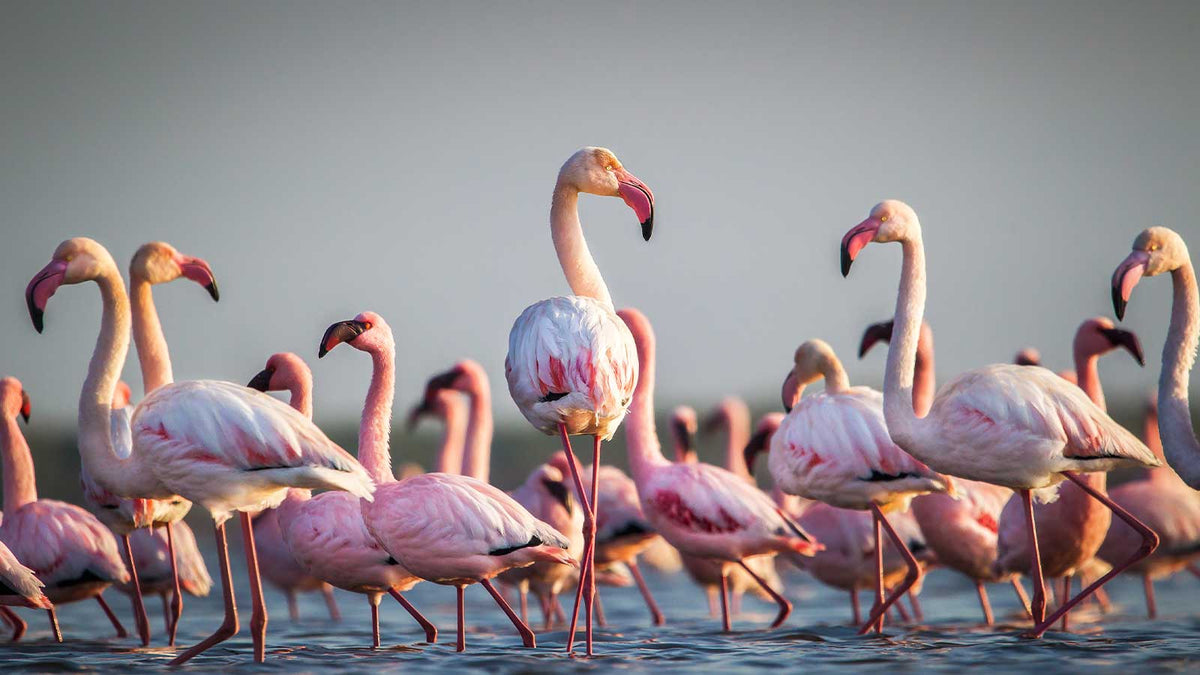
It is interesting that lobsters, krill, crabs, and shrimp that eat such single-celled freshwater algae acquire their typical reddish-violet color due to its high astaxanthin content. The same applies to salmon and flamingos that feed on small crustaceans. In addition to its coloring effect, the carotenoid also increases the fertility of these animals. Large amounts of the carotenoid occur naturally in salmon, krill, and krill oil, as well as in products made from blood rain algae.
For regeneration
In the sports world, the plant pigment is used to increase muscle strength and endurance. It is said to reduce muscle damage after training and shorten recovery time. This is the reason why astaxanthin is often used in the recovery phase after athletic performance. Many competitive athletes already swear by this natural plant pigment.
What should you consider when taking astaxanthin?
It is important to note that the effect of the plant pigment depends on various factors such as dosage, the body's absorption capacity, and individual needs. It is recommended to consult a doctor before taking dietary supplements or other products containing astaxanthin.
The plant pigment is also suitable for people who follow a vegetarian or vegan diet. According to international expert panels, the safe maximum daily intake is 8 mg.
Astaxanthin is truly a fascinating substance that provides us with the pure power from algae. It is amazing how nature provides us with such valuable ingredients. So the next time you hear about this secondary plant pigment or discover it in a product, remember how much power is packed into this small alga.
That's it for today. Thank you for listening and see you next time!
• Are you interested in products with astaxanthin? You can find more here.