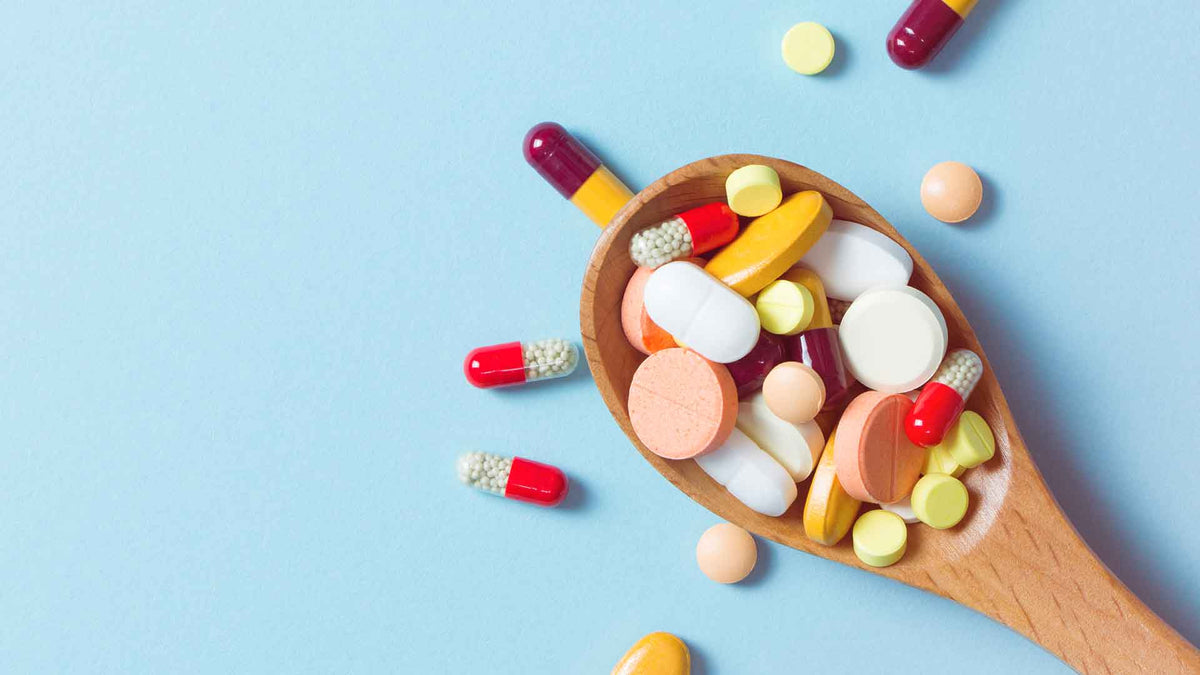
Those who take medication may suffer from a deficiency in vital nutrients. Many people take medication without being aware of the harmful side effects that can result. With the publication of her book "Drug Muggers," the well-known American author and pharmacist Suzy Cohen touched a raw nerve. Many medications and drugs deplete the body of essential vital nutrients it needs for metabolism and energy production, to strengthen the immune system, and to maintain good health.
How medication steals nutrients. 3 examples:
• Melatonin – Brain
Melatonin production in the body is inhibited by medications such as acid blockers, analgesics, antihistamines, and antihypertensives. This sleep-promoting hormone, which is responsible for the circadian rhythm in our body, indirectly regulates growth hormones, as the body releases melatonin precisely during sleep. At the same time, important biochemical processes take place in the organism during sleep. Our brain, in particular, benefits from this. Scientific studies indicate that brain metabolism is active only during sleep. Brain metabolism then transports waste products out of the brain via the cerebrospinal fluid. Conversely, this means that poor sleep quality can promote dementias such as Alzheimer's.
• Zinc – Immune system
The trace element zinc is also lost in the body due to many medications. These include acid blockers, antacids, antivirals, and antihypertensives. Yet zinc is extremely important for the body. It acts as a powerful antioxidant because it can neutralize free radicals, supports the immune system by regulating the activity of certain immune cells, and promotes skin wound healing.
• Q10 – Cardiovascular system
The list of medications that result in a Coenzyme Q10 deficiency in the body is just as long. A deficiency in the vitamin-like Q10 can manifest itself as fatigue and lethargy. Did you know that many people take statins for cholesterol? These are cholesterol-lowering drugs that inhibit the body's own Q10 synthesis. Q10 and cholesterol are both formed in the liver by a specific enzyme. However, statins inhibit this enzyme in the detoxification organ. The result: an inhibition of cholesterol production and, at the same time, Q10 production.
Watch what you eat when taking medication
This is something else you should keep in mind. There can be interactions between medications and food. Some foods can increase or decrease the effect of medications. In her publication "Drug Muggers," Suzy Cohen mentions, among other things, the example of coffee and mood enhancers. Taking coffee and antidepressants in the morning has a synergistic effect. Coffee and the medication influence each other, which can lead to interactions such as tremors, panic attacks, and insomnia. When taking medication, it is advisable to pay attention to the patient information leaflet or to consult a doctor or pharmacist.
• Learn more about the topic of Q10 here.