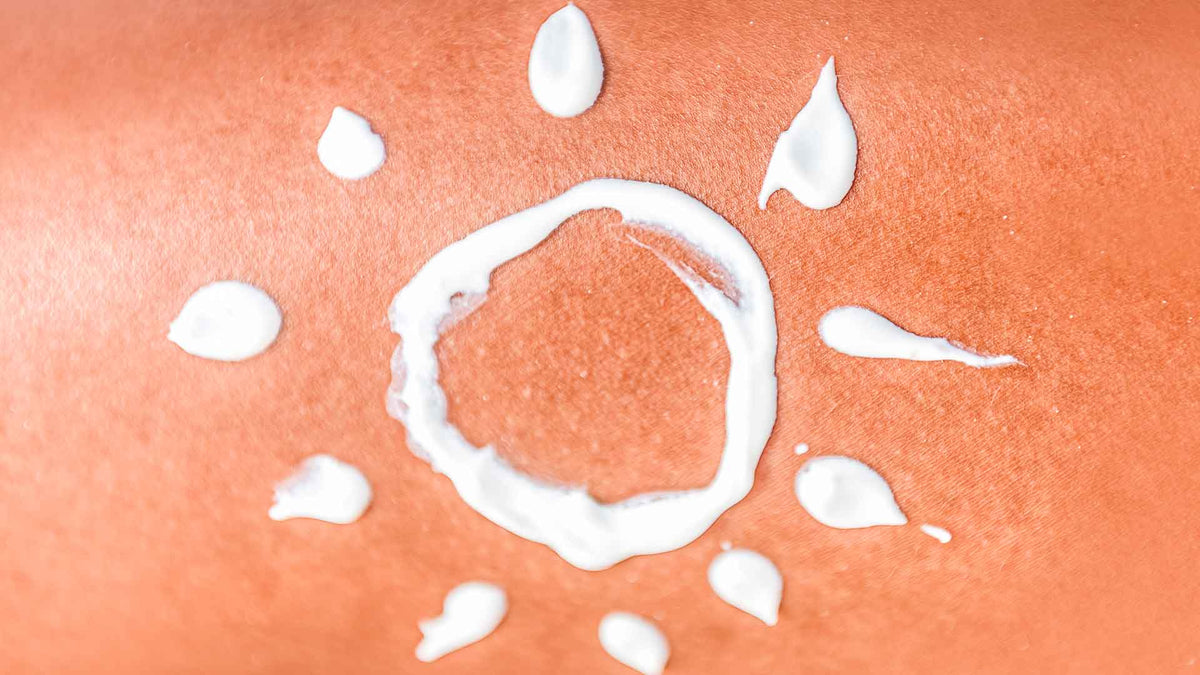
Vacation – that means soaking up the sun, jumping into the sea, lying on the beach, hiking, simply relaxing. But those who expose themselves to the sun for a long time without sun protection put their skin through a lot. It reddens quickly, burns, itches, feels hot, and is extremely sensitive to pain – a sunburn is a bad start to a vacation. It is so easy to protect yourself from the sun with sunscreen and appropriate clothing. In addition, find out here which vegetables are good for protecting your skin in summer.
Sunburn is not just unpleasant; in the long run, years of exposure to UV radiation can also extremely damage the skin. This becomes noticeable not only through fine lines that eventually turn into deep wrinkles, but also through unsightly age spots or, in the worst case, even dangerous skin cancer.
Skin protection: The secret of secondary plant compounds
Anyone who exposes themselves to the sun should above all ensure the right external skin protection and additionally protect their skin from the inside through their diet. How does that work? UV radiation generates free radicals, which arise through reactions of oxygen-containing molecules. Many vegetables contain secondary plant compounds that intercept these cell-damaging free radicals and neutralize them. This means they protect our cells, in this case, the skin cells.
Antioxidant beta-carotene
In this context, beta-carotene is often mentioned. This is a natural plant pigment and belongs to the carotenoids. These belong to the group of secondary plant compounds. These plant substances are lipophilic, i.e., fat-soluble color pigments. They are found particularly abundantly just below the skin of the plant. As protective agents and coloring agents, they are responsible for the yellow, orange, and red colors in many plants and fruits. Beta-carotene, to which the carrot owes its orange hue, is very well known.
These foods are particularly rich in beta-carotene:
- Sweet potatoes (100 g/ 7.9 mg beta-carotene)
- Carrots (100 g/ 7.6 mg beta-carotene)
- Kale (100 g/ 5.2 mg beta-carotene)
- Spinach (100 g/ 4.8 mg beta-carotene)
- Fennel (100 g/ 4.7 mg beta-carotene)
Many green vegetables contain beta-carotene without being yellow or orange. It’s quite simple. The green color from the green secondary plant compounds overlays the yellow-orange hue. In green vegetables, this is due to the high chlorophyll content, such as that found in very high concentrations in matcha tea.
Back to beta-carotene. Our body can convert beta-carotene into vitamin A as needed. Among other things, it is important for the mucous membranes and skin cells. Our eyes also benefit from it. And especially now in summer, the antioxidant properties of these carotenoids come into play because they have exactly that ability to intercept harmful free radicals. So, pay attention to the foods mentioned above. Then you can support your skin from the inside against dangerous UV sunlight in a completely natural way during the summer. Please note: This never replaces external skin protection!
Tip: Don't forget that beta-carotene is fat-soluble. An example: The body absorbs and utilizes tomato products containing beta-carotene better when they are heated and dissolved in oil.
External skin sun protection
Here is an overview of how you can properly protect your skin, the largest organ:
- Avoid the midday sun. The strongest solar radiation is between 11 a.m. and 3 p.m.
- Prefer shady spots
- Wear protective clothing
- Preferably use sunscreen with a high sun protection factor
To choose the right sunscreen, you should know what your skin type is; then you will also know what your skin's own self-protection time is.
• Do you want to know how you can properly care for your skin from the inside during the summer? Learn more here.