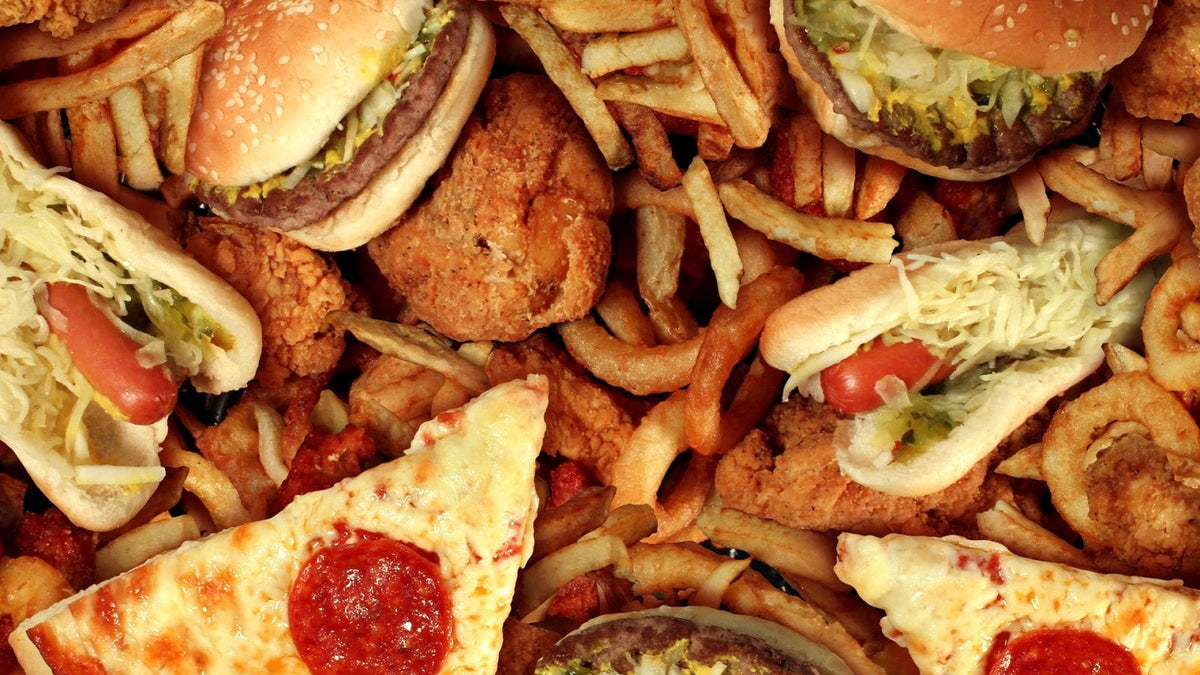
One in five deaths worldwide is likely the result of a poor diet. This is the conclusion of a large-scale study on the global burden of disease. This would mean that the health risk posed by fast food and the like is even higher than previously assumed.
Global study on health risks
Between 1990 and 2017, a Global Burden of Disease (GBD) study investigated, among other things, dietary habits in 195 countries. One conclusion of the study: too little fruit and vegetables, too much salt, and too few whole-grain products pose a high health risk. This diet caused eleven million deaths in 2017. Furthermore, people worldwide were ill for a combined 255 million years during the study period due to this poor diet. The study was conducted on behalf of the World Health Organization (WHO) and the Institute for Health Metrics and Evaluation (IHME).
Health risk due to burden of disease
The study uses the concept of "burden of disease." This involves estimating which diseases lead to how many deaths or years of illness. In this way, researchers aim to determine in which areas health prevention measures would be particularly beneficial. The current GBD study now confirms with a wealth of data what medical professionals and scientists have been pointing out for years: personal behavior plays a major role in the development of diseases. For instance, at the 2016 European Society of Cardiology (ESC) Congress, experts discussed that about 40 percent of cancer cases and 80 percent of other serious illnesses are caused by behavioral factors. Diet is considered the most important behavioral factor.
Wealth of data
In addition to diet, various other factors can (also) play a role in the development of illnesses. Nevertheless, the amount of evidence pointing to the importance of a healthy diet is overwhelming. Furthermore, the study's data, collected over decades, is supported by randomized trials on specific aspects of nutrition (e.g., risk factors such as meat-heavy diets and high salt consumption). According to Dr. Angela Bechthold, head of the Science Department at the German Nutrition Society (DGE), the GBD study impressively underscores existing scientific findings regarding "poor food" as a health risk and points to the high preventive potential of a healthy diet.
You can find an interview with Anne Fleck on the topic of "How to succeed with a healthy diet" here.
• If you would like to learn more about nutrients, read on here.