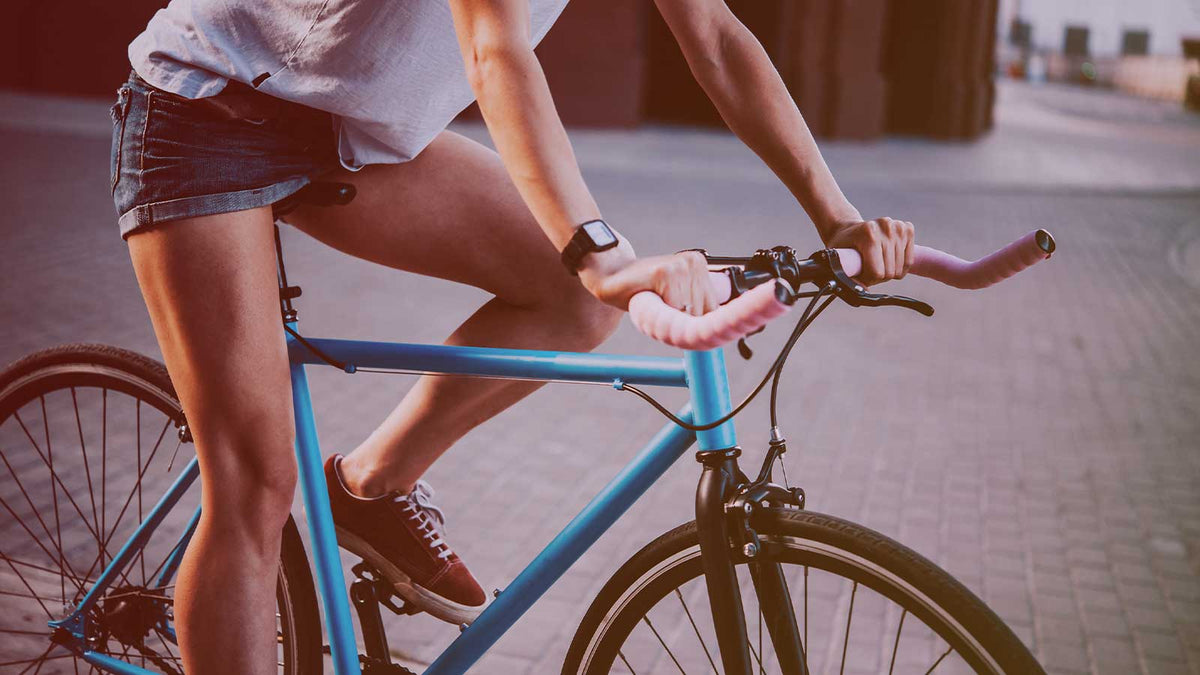
Movement is part of human nature. The human body is designed to move. "There are anthropological models showing that Homo sapiens, when in a tribe, covered more than 40 kilometers throughout the day," says sports scientist Dr. Helge Knigge from the German Sport University Cologne.
In general, one can say: "You should be outside for an hour every day to expose your immune system and brain to new stimuli. Being outdoors and exercising in nature is very important for our health, because nature is a space for health," explains Dr. Helge Knigge from the German Sport University Cologne.
How much do we move?
Let's start with our everyday lives. How often and for how long are we actively moving in the great outdoors? And what is left today of the physical activity of our ancestors? To get around, we mostly take the car or public transport. Modern industrial and service society is characterized primarily by sedentary activities. That is why it is all the more important to compensate for physical lethargy with exercise.
The WHO recommends: 150 minutes of exercise per week
According to the World Health Organization (WHO) in Geneva, physical activity promotes the cardiovascular system, muscle strength, bone health, and cognitive performance, and reduces the risk of lifestyle diseases (such as cardiovascular disease, diabetes).
For this reason, the WHO recommends at least 150 minutes of moderate training per week. This could be 30 minutes of exercise five times a week, for example, walking or cycling. The WHO advises people with movement restrictions to do exercises three or more times a week that strengthen their balance in order to reduce the risk of falling. Muscle-strengthening exercises should also be included two to three times a week.
Tip: Exercise to combat a bad mood
Anyone who exercises outdoors daily, preferably in the morning or around midday, incidentally recharges their light levels. That is why exercising outdoors is particularly beneficial. Bright light and sunshine have a positive influence on our mood, because a lack of light leads to an increase in the sleep hormone melatonin and a reduction in the release of serotonin (the alertness hormone). The result can be a lack of motivation.
Scientific studies prove that sitting for long periods has a negative effect on our bodily functions. Get out into nature once a day! Whether by bike or on foot. Furthermore, the view of nature gladdens our spirits.
• You can find more on the topic of movement & fitness here. In our "Movement & Fitness" section on the blog.
• Would you like to know which health products can support you in movement and fitness?