It is already established common knowledge that men produce testosterone, which, among other things, has a positive influence on muscle growth. But have you ever heard of the “female counterpart,” estradiol? No? Then it is about time!
It is time for us women to utilize the phases of our menstruation and train in harmony with our cycle, instead of trying to push through it.
Below you will find an overview of the female cycle phases and, with it, perhaps one or two explanations as to why (athletic) tasks sometimes feel easy and other times less so. Furthermore, you will find cycle-friendly nutritional recommendations and, hopefully, plenty of motivation to improve your own well-being through exercise!
Which phases does the female cycle have?
The female menstrual cycle begins on the first day of your period and ends with the start of the next one. A cycle lasts about 28 days, although this can vary from woman to woman.
The female cycle is divided into four phases:
- menstruation
- the follicular phase
- ovulation
- the luteal phase
Each phase is marked by hormonal changes that we women go through anew every month. These often represent small, yet not to be neglected challenges in everyday life, but also potentials – it is therefore all the smarter to align both lifestyle habits and training with the phases in order to get the most out of every phase.
My tip: Understand and accept which cycle phase your body is currently in and use this knowledge for greater well-being and, at best, even better training results.
First phase of the cycle: Menstruation
What happens in the body?
Hormone levels drop rapidly to their lowest concentration. The uterine lining is shed. Bleeding occurs, often accompanied by “classic period pain.” Many women feel unmotivated and exhausted during this phase. This phase lasts approx. 3-7 days.
Sport during menstruation:
Even if you probably feel like you have to exert yourself much more than usual during this phase: Your period is no reason not to train. On the contrary: Movement during this phase is beneficial and is proven to help reduce period pain. However, the intensity of the training should be reduced, especially during the first few days of menstruation.
Do’s: Light endurance training such as walks and leisurely bike rides, yoga, or stretching are recommended throughout the period.
Don’ts: High-intensity exercise sessions, jumping variations like jumping jacks and box jumps, as well as inversions like headstands are discouraged. These can worsen any existing discomfort.
Nutrition during menstruation:
Now that your body is occupied with the intense process of menstruation, you should align your diet with foods that are particularly nutrient-dense. Protein, fats, vegetables, and fruit with a low glycemic index keep blood sugar levels constant and provide fiber and antioxidants.
You should also literally place importance on minerals: The demand for iron and zinc increases in this phase due to natural blood loss, and depleted stores should be replenished with a high-quality dietary supplement.
Even if most women experience increased cravings for extremely sweet and/or extremely salty foods during these days, try to support your body with healthy nutrition.
Personal tip: Dark chocolate or Medicom Magnesium Direct 400 mg has a high magnesium content. This mineral can have an antispasmodic effect.
Second phase of the cycle: The follicular phase
What happens in the body?
In this phase, the next ovulation is prepared. For this, we need the hormone estrogen, which is primarily produced in the ovaries. Not least because of this release, we are extremely capable, feel strong, and energetic during these days following our period. This phase lasts 7-10 days.
Sport during the follicular phase:
Full steam ahead! Your muscles are particularly “receptive” to all training stimuli during this time. This performance peak lasts about a week, by the way, i.e., until the beginning of ovulation.
Do’s: Strength training stimuli can be optimally implemented in this phase due to the hormonal constellation. Strenuous training blocks should be scheduled for this cycle phase.
Don’ts: Overtraining. Muscles grow during rest, and recovery is part of training. So, please don’t get overconfident.
Nutrition during the follicular phase:
Since you feel a lot of energy during this phase and ideally burn it as well, I recommend sufficient carbohydrates, omega-3 fatty acids, as well as enough fruit and vegetables.
Fresh and light foods also give you more energy during this phase. Try fermented foods like kimchi or sauerkraut. In addition to vegetables, you should reach for lean meat, sprouted beans and seeds, as well as nutrient-rich grains like buckwheat.
Personal tip: You can support estrogen metabolism through detoxifying foods, for example, broccoli.
Third phase: Ovulation
What happens in the body?
During ovulation, the technical term for the release of an egg, the mature egg is pushed from the ovary into the fallopian tube, and you are in both your most fertile and most capable phase, because the hormone estradiol (remember, what is colloquially called “female testosterone”) has reached its highest concentration shortly before ovulation. This phase lasts 3-5 days.
Sport during ovulation:
I don’t want to give a universal training recommendation here, other than to listen to your own body. The “hormonal high” is over, and your energy level is slowly dropping again. If you feel tired, rest.
However, if you have energy, I recommend choosing an effective group workout. Try indoor cycling, Bikram yoga, bootcamp, or high-intensity interval training at the gym.
Nutrition during ovulation:
Try to avoid excessive sugar consumption, especially in this phase. It is proven to favor premenstrual symptoms in the second half of the cycle. A healthy and balanced diet is also recommended during ovulation. Fiber can help keep blood sugar levels stable.
Personal tip: Proteins as building blocks for cells are particularly important in the second half of the cycle – so go for cottage cheese or chickpeas. A good alternative is organic hemp protein powder.
Fourth phase: The luteal phase
What happens in the body?
Immediately after ovulation, our body begins producing progesterone. Our uterus prepares for the arrival of a potentially fertilized egg. This can lead to Premenstrual Syndrome (PMS for short). Irritability and exhaustion are not uncommon in this phase. Be kind to yourself and give your body a little break. This phase lasts 10-14 days.
Sport during the luteal phase:
Your energy level drops significantly in the days before your period. Fine motor skills and coordination also deteriorate during this time. If you are an ambitious athlete, take care not to schedule any competitions during this phase.
Do’s: Reduce training volume. Postpone demanding sessions, choose lighter, looser sessions for well-being.
Don’ts: Strength training with heavy weights, extreme endurance training.
Nutrition during the luteal phase:
Sugar, alcohol, and caffeine can favor premenstrual symptoms, so “keep your hands off!”. Eat leafy greens to increase your calcium and magnesium levels while simultaneously reducing water retention. Add roasted or baked root vegetables to support your liver and colon in breaking down estrogen more effectively. Particularly now, consume plenty of vitamins and complex carbohydrates, but above all, no diets, because the body needs a particularly high amount of energy in this phase.
Personal tip: I have a strong feeling that B vitamins can help keep PMS in check. These can have a positive effect on mood and nerves and alleviate related symptoms, such as PMS.
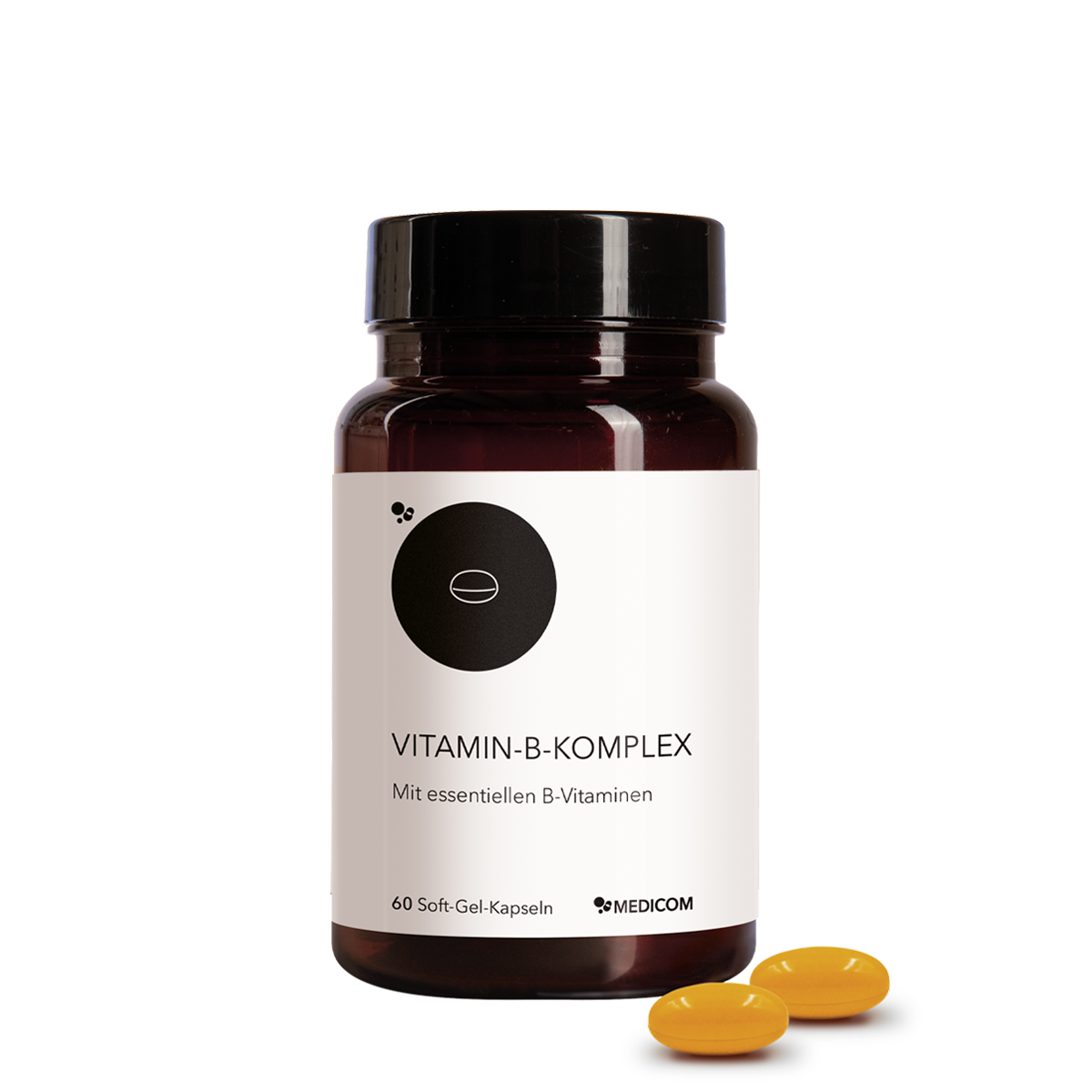
Vitamin B complex
All B vitamins combined
Conclusion
I am sure that you may have had one or two “aha” moments while reading this article; much like I did when I first looked into the topic of sports and periods. Many things suddenly became clearer to me, especially the performance I was capable of in competition situations.
Whether a hobbyist or an ambitious athlete: The most important thing is always to listen to your own body and react accordingly. Only under the motto “better safe than sorry” is injury-free training possible in the long term! And training, or rather the movement meant by it, is equivalent to our own well-being. Yes, movement is a part of our life – just as our cycle is. We should be proud of both.
Good to know: Each one of you – of us – is a miracle of nature. And as is the case with miracles, each one is unique and incomparable. Perceptions such as pain sensitivity, lethargy, and, of course, your own energy level are just as individual. I do not want to make any blanket statements here, but rather simply encourage you to pay attention to your cycle, to listen to your body, and to trust it in its uniqueness.
In this spirit, I wish you all the best, keep moving.
Yours, Sandra Mastropietro
You can find more about Sandra on her Instagram channel.
Her latest book “Simply Running” can be purchased here.

You can find out how you can regulate your cycle naturally in the article on the topic “Seed Cycling: Regulating hormones through seeds and kernels?”