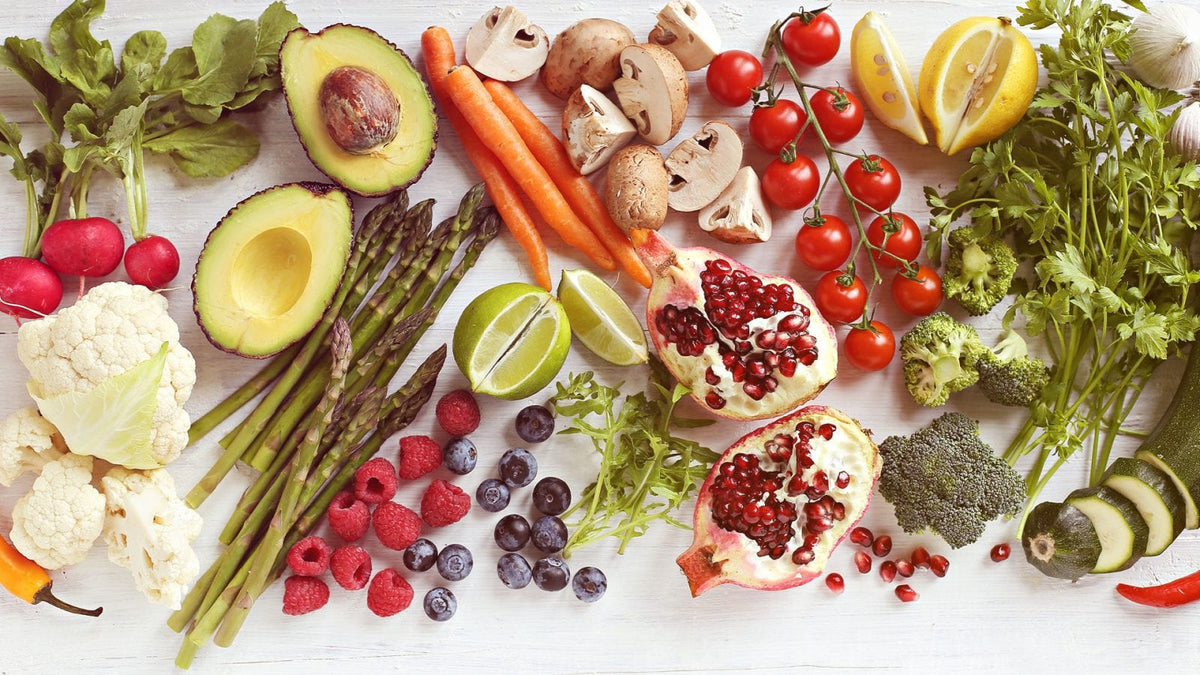
How does it work: eating as healthily as possible while protecting the environment? The EAT-Lancet Commission thoroughly investigated the question of a sustainable future diet. At the beginning of 2019, this international coalition of 37 scientists published a Planetary Health Diet (PHD), a diet plan that is equally healthy for both people and the environment.
The global population is expected to rise to 10 billion by 2050, but can all these people be fed a complete and healthy diet? And in such a way that the climate warms significantly less than 2 degrees? Yes, says a commission of 37 scientists, including nutrition experts and climate researchers.
Much less from animals
To realize a future diet plan, however, we would finally have to rethink things. "What we eat and how we produce it determines the health of people and the planet," says Tim Lang, one of the study's authors. And things cannot continue as they have been. People are eating far too much meat and are clearly harming their health in the process.
Meat production – an environmental problem
On top of that, meat production is a serious problem for the environment. According to WWF studies, about 70 percent of the direct greenhouse gas emissions from our diet are attributable to animal products. Not to mention the enormously high water consumption and the additional cultivation of feed crops. The experts of the EAT-Lancet Commission therefore suggest using existing land currently used for feed crops for other plant-based resources in the future. In this way, significantly more people could be fed in the future.
Health risks
On average, Germans consume 60 kg of meat per year, including women and children in this figure. The German Nutrition Society, however, recommends a maximum of 300 to 600 grams of meat per week. That would be about 15 to 30 kilos per year. This high consumption is concerning from a health perspective because it increases the risk of cancer, promotes cardiovascular disease, and, on top of that, rheumatism, diabetes, or gout. Furthermore, the frequent consumption of fatty meat, and especially cold cuts and sausages, contributes to obesity among Germans. Not to mention the antibiotics, the deforestation of the rainforest, and the animal suffering in factory farming. It therefore goes without saying that a sensible future diet plan urgently recommends reducing animal-based foods.
The most important recommendations of the future diet plan
The scientists therefore advise halving meat consumption, including for health reasons. In general, animal products take a backseat in the PHD. This also applies to dairy products and eggs. In contrast, you should double your consumption of vegetables, fruit, nuts, and legumes. Sugar, on the other hand – as you might have guessed – should be used very sparingly. To support you in a healthy, sustainable diet, the future diet plan offers very specific details. Below you will find a table with all the important food groups.
How the future diet plan should be understood
Of course, it is unrealistic for you to consume exactly 29 grams of poultry per day. However, converted to a weekly basis, you can derive quite precise guidelines from the information provided by the Planetary Health Diet. In terms of poultry, this means: A chicken breast fillet of 220 grams per week falls within the scope of a diet that is healthy for you and the planet. Another important aspect: You should obtain your carbohydrates primarily from fiber-rich whole-grain products and less from starchy potatoes or even white flour and french fries. The latter contain unhealthy trans fats and should by no means be a regular feature on your menu. You can find out more about the disadvantages of fast food here.
The future diet plan in concrete terms
The PHD helps you to find a scientifically sound orientation for a sustainable way of eating. You could put it casually: lose weight and save the world – you can do it too!
With an average daily energy intake of 2500 kilocalories, your future diet plan looks like this:
| Vegetables | 300 grams or 78 kcal |
| Dairy products | 250 grams or 153 kcal |
| Whole-grain products, rice, corn | 232 grams or 811 kcal |
| Fruit | 200 grams or 126 kcal |
| Legumes | 75 grams or 284 kcal |
| Nuts | 50 grams or 291 kcal |
| Potatoes | 50 grams or 39 kcal |
| Unsaturated fats | 40 grams or 354 kcal |
| Sugar | 31 grams or 120 kcal |
| Poultry | 29 grams or 62 kcal |
| Fish | 28 grams or 40 kcal |
| Red meat (beef, lamb, pork) | 14 grams or 30 kcal |
| Eggs | 13 grams or 19 kcal |
| Saturated fats | 11.8 grams or 96 kcal |
Source: EAT-Lancet Commission
• You can find out how to succeed with a healthy diet in an interview with the well-known nutrition expert Dr. Anne Fleck, Doc Fleck. Click here
• If you want to learn more about nutrients, then continue reading here.