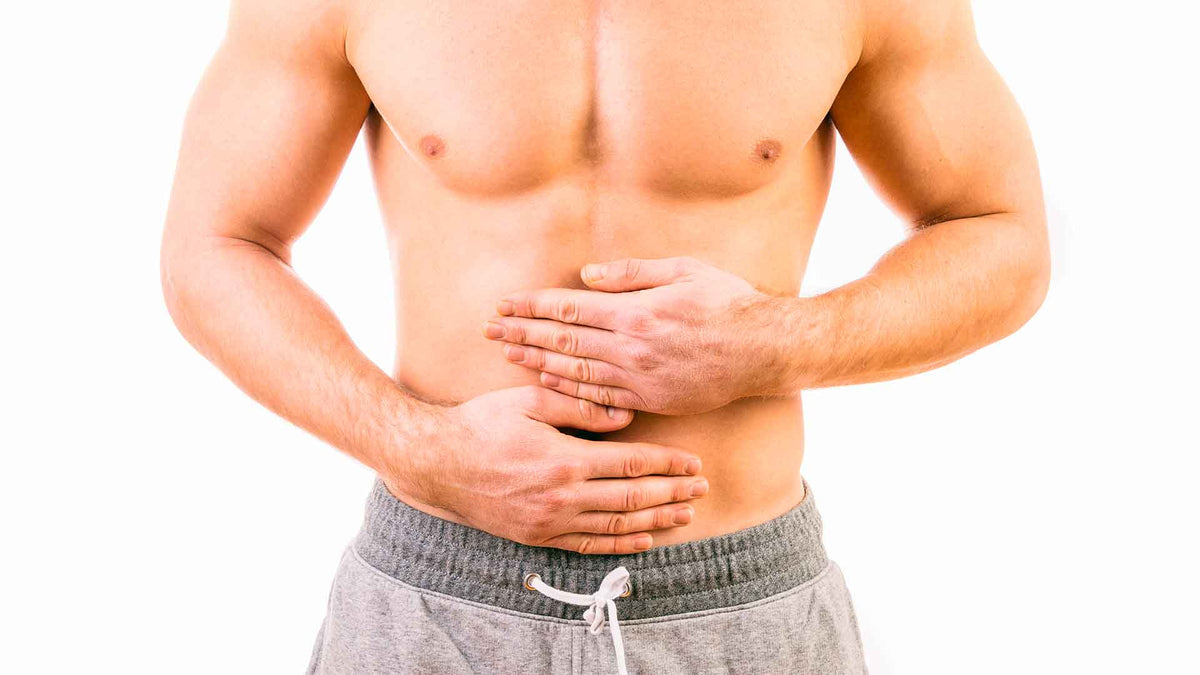
Some people don't even notice it, while others notice it after every meal: their stomach. When it feels tight or uncomfortable, we don't feel well. Feeling full, bloating, and constipation are among the most common gastrointestinal complaints. Medicom spoke with graduate ecotrophologist Beate Löffler, who has developed recipes that relieve the stomach and intestines quickly and efficiently without taking the joy of eating away from true gourmets.

Medicom: "You are what you eat" – this saying is certainly nothing new. To what extent is it accurate?
Beate Löffler: Father Kneipp said that our food should be simple and modest. If I eat poorly or eat too much, it can lead to gastrointestinal problems or serious secondary diseases such as diabetes, arteriosclerosis, etc. Therefore, this statement is entirely accurate.
Medicom: It should actually be logical that our health and well-being are closely linked to our diet and digestion. Why is it still so difficult for many people to grasp this?
Beate Löffler: Because they get a false picture from advertising, the internet, and far too much information, and no longer listen to their inner voice or their sense of hunger and satiety.
Medicom: What prompted you to write this book? What complaints do people come to your practice with?
Beate Löffler: 60 percent of our patients come to us with irritable bowel issues and food intolerances, and consequently with liver diseases, heartburn, and bloating. That is why, over the years, we have collected so many recipes to help people put this into practice.
Medicom: Some people are positively obsessed with their digestion, and almost all their thoughts revolve around it. Others, meanwhile, let everything happen quite naturally and often have no problems. Is the course for this perhaps set in childhood?
Beate Löffler: That is certainly possible. However, food intolerances are increasingly being observed in children, leading to diarrhea and stomach cramps. On the other hand, there are also many children with constipation problems because they eat too much fast food and sweets and don't drink enough. Hereditary factors also play a role.
Medicom: What about the autonomic nervous system? Some people react to stress with diarrhea, others with constipation. What is the best way for the individual types to deal with this?
Beate Löffler: If you are a hyperactive type, you need relaxation exercises or autogenic training instead of aerobic exercise.
Medicom: A balanced diet also includes fiber. What is the best way to meet the requirement for a "high-fiber" diet? Does taking fiber supplements make sense?
Beate Löffler: To achieve a high fiber content, half of your food should consist of grain and grain products, and the rest should consist of legumes, vegetables, and fruit. It makes sense to stir apple pectin into food, and perhaps add flaxseeds, oat bran, or psyllium husks to yogurt or muesli. It is important to tailor fiber supplementation individually.
We should consume at least 30 grams of fiber every day.
Medicom: How much fiber should we be consuming?
Beate Löffler: We should consume at least 30 grams of fiber daily to increase intestinal bacteria, increase stool volume, protect mucous membranes from inflammation, increase insulin receptors, and reduce cholesterol through binding and faster excretion. In addition, the risk of colon cancer can be reduced by 40 percent. Therefore, the consumption of fiber-rich products such as whole-grain products like bread, rice, pasta, and oatmeal, as well as berries and vegetables, is particularly important.

Medicom: Why are probiotics so important for our gastrointestinal health?
Beate Löffler: 70 percent of immune cells are located in the gut. The microbiota, i.e., the diversity of bacteria in the gastrointestinal tract, ensure that pathogens are weakened, certain B vitamins and vitamin K are produced, and fiber is broken down to stimulate intestinal peristalsis.
Medicom: What is the difference between probiotics and prebiotics?
Beate Löffler: Probiotics are products that contain viable bacterial strains and have a positive effect on human health. Prebiotics are fibers, i.e., indigestible carbohydrates that we cannot break down in our gut. They have a positive influence on lactic acid bacteria in the gut and are divided into water-soluble and water-insoluble fiber.
Medicom: What do you consider essential for a healthy gut or good digestion?
Beate Löffler: Fiber, probiotics, 1.5 to 2.5 liters of low-mineral water and tea, five meals a day, low-fat and low-sugar foods, intermittent fasting, and relief days.
Medicom: Do you have a few very short tips specifically for our readers?
Beate Löffler: If the symptoms persist, seek professional nutritional advice. Otherwise, follow the tips mentioned above and stick to light recipes like the 3-minute bread, dips, and salads. • For diarrhea, you can help yourself with blueberry smoothies. Click here for the delicious blueberry chia smoothie recipe. • Would you like to know more about blueberries? You can read more about them here. • Are you interested in gastrointestinal products? You can find out more here.