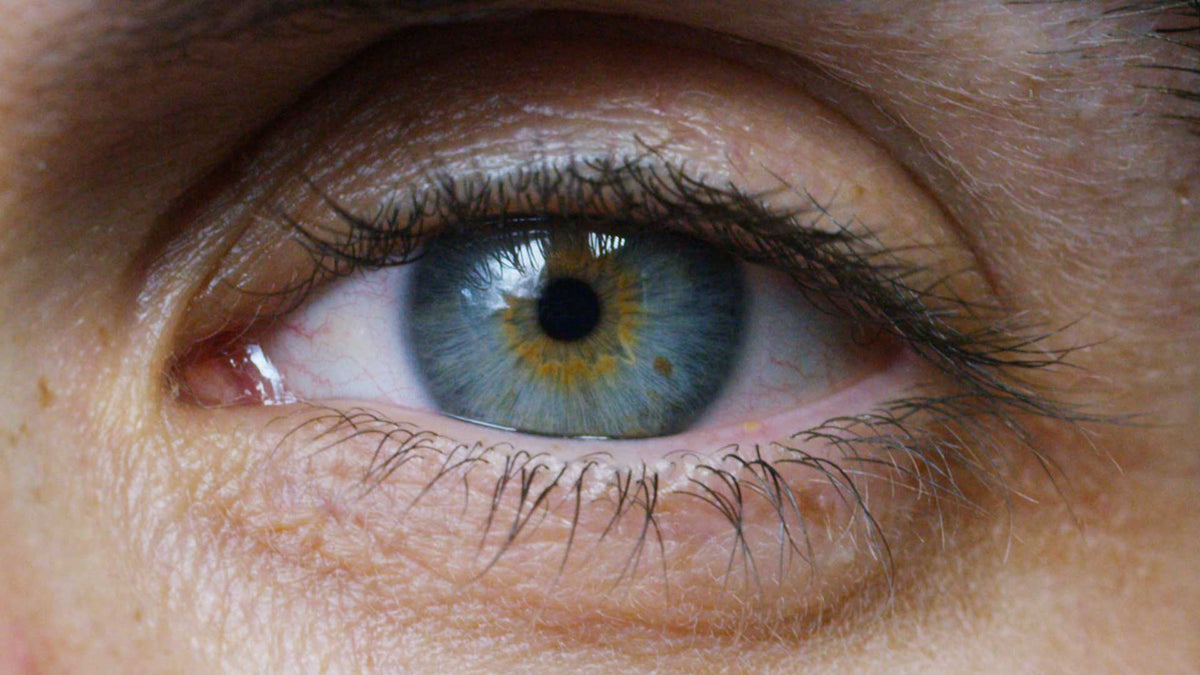
A relaxed look out the window and suddenly they are there. Small dark dots that appear in the field of vision like gnats. But there is nothing out there. Because the cause lies within the eye itself. Ophthalmologists call this actually harmless phenomenon "mouches volantes," in German "flying gnats," or also "floaters." It involves an age-related clouding of the vitreous body, which can be quite enervating – just like real gnats.
In contrast to common visual disturbances—such as cataracts or glaucoma—this eye condition is far less well-known. These thread-like formations or dark dots are constantly moving through the eye. Affected individuals notice the so-called mouches volantes particularly clearly when viewing low-contrast backgrounds, such as a bright screen. Looking into a cloudless sky or at a white piece of paper also makes these streak-like movements stand out more.
Dark spots in the eye: Where do these flying gnats come from?
The reason for the phenomenon of mouches volantes lies in the vitreous body of the eye. It consists of a gel-like, crystal-clear substance that fills the inside of the eye. This substance is composed for the most part of water, hyaluronic acid, and a network of collagen fibers. In young years, this network is not visible because it is crystal clear. As we age, however, the collagen fibers can clump together and are then perceived as thread-like formations in the eye. Mouches volantes therefore describe an entoptic phenomenon inside the visual organ. They are frequently accompanied by high myopia. Under certain lighting conditions, everyone can perceive them.
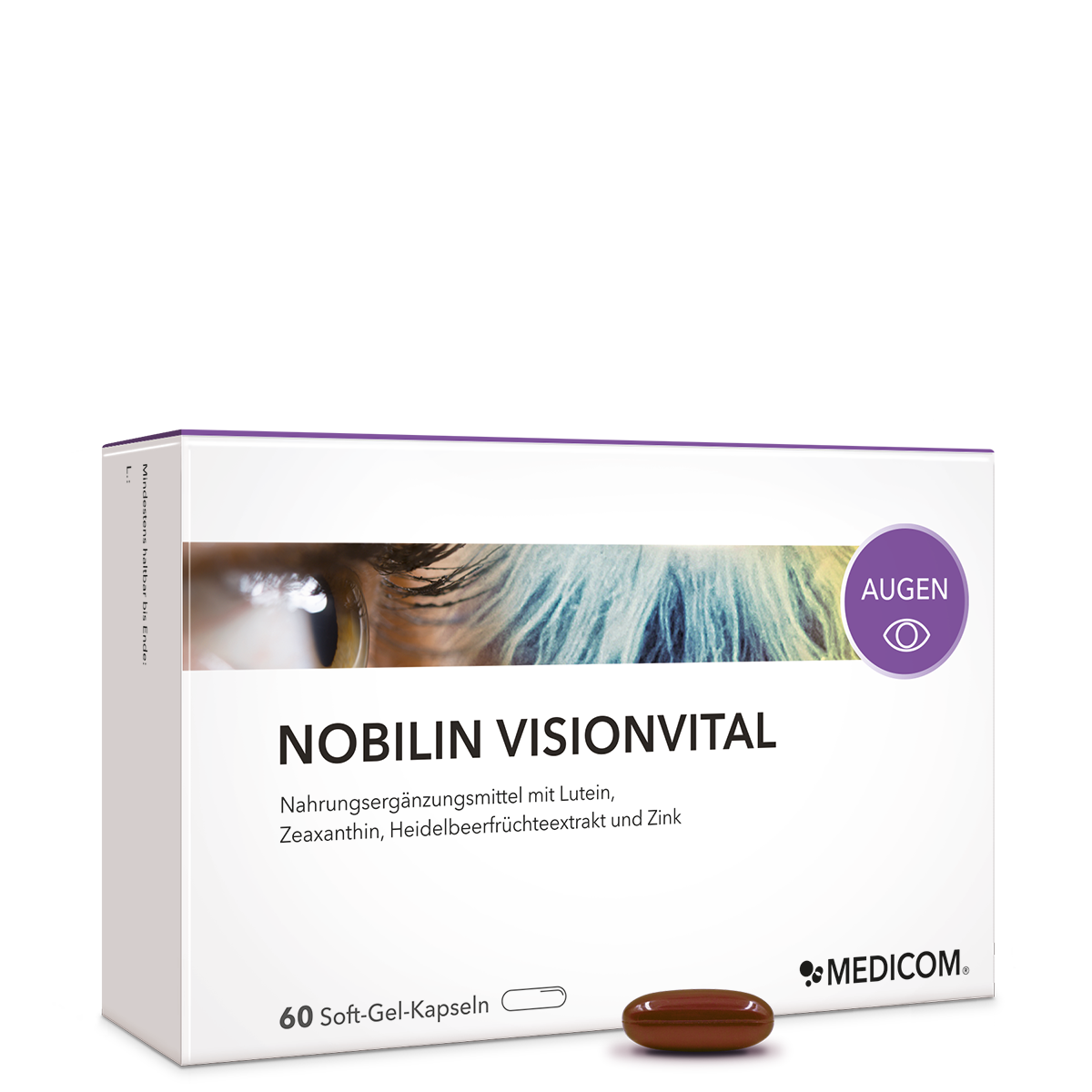
Nobilin Visionvital
Special formula for the eyes
Just ignore them?
As harmless as these eye threads ultimately are, they can be just as annoying for those affected. Especially under stressful conditions, they often become irritating companions. Some patients also feel misunderstood when their attending physician dismisses them as a harmless side effect. To better cope with these annoying spots in the field of vision, it is helpful for most people to try to ignore them completely.
If severe subjective impairment occurs due to the "floaters" or if there are serious visual impairments, surgical intervention can be performed by removing the vitreous body (vitrectomy) and replacing the eye fluid. However, this massive procedure should be avoided due to the disproportionately high effort and potential complications.
Watch for specific symptoms
Certain symptoms, however, can indicate real dangers. An alarm signal should be if the flying gnats appear suddenly and in large numbers. Anyone who perceives such changes should consult an ophthalmologist.
Eating for your eyes
Of course, a healthy diet to maintain eyesight and eye health is also a sensible, complementary measure. Valuable eye vitamins are, for example, carotenoids, which are found in kale, watercress, or spinach. The protective effect of carotenoids such as lutein and zeaxanthin in the retina of the eye can occur in two ways. Firstly, both substances bind free radicals.
Also particularly interesting is the power of the bilberry, also known as blueberry. It contains plenty of anthocyanins (a secondary plant compound). They protect against free radicals in the blood vessels of the eyes and thus fulfill an important protective function. If the activities of free radicals accumulate, this is referred to as oxidative stress. If this exceeds the antioxidant defense, cell damage occurs. Oxidative changes to the collagen fibers, hyaluronic acid, and other components of the vitreous body can also contribute to the development of vitreous opacities.
Furthermore, the aforementioned vital substances can absorb high-energy wavelengths in the blue spectral range and prevent photochemical damage. Other vitamins and minerals are also important for eye health. For example, vitamins A, C, and E, as well as zinc, play a leading antioxidant role in maintaining healthy vision into old age. If, for example, there is a deficiency in vitamin A or its precursor beta-carotene, night blindness can be a possible negative effect. Carrots, bell peppers, and broccoli are good sources of beta-carotene.
Coolness can be healthy
Finally, one of the most important means of protecting the eyes is a good pair of sunglasses: They block the dangerous ultraviolet radiation component of sunlight, and by using darkened lenses, they can help ensure that annoying mouches volantes are perceived only to a minor extent or not at all.
• Are you interested in eye products containing bilberry? You can find more information here.