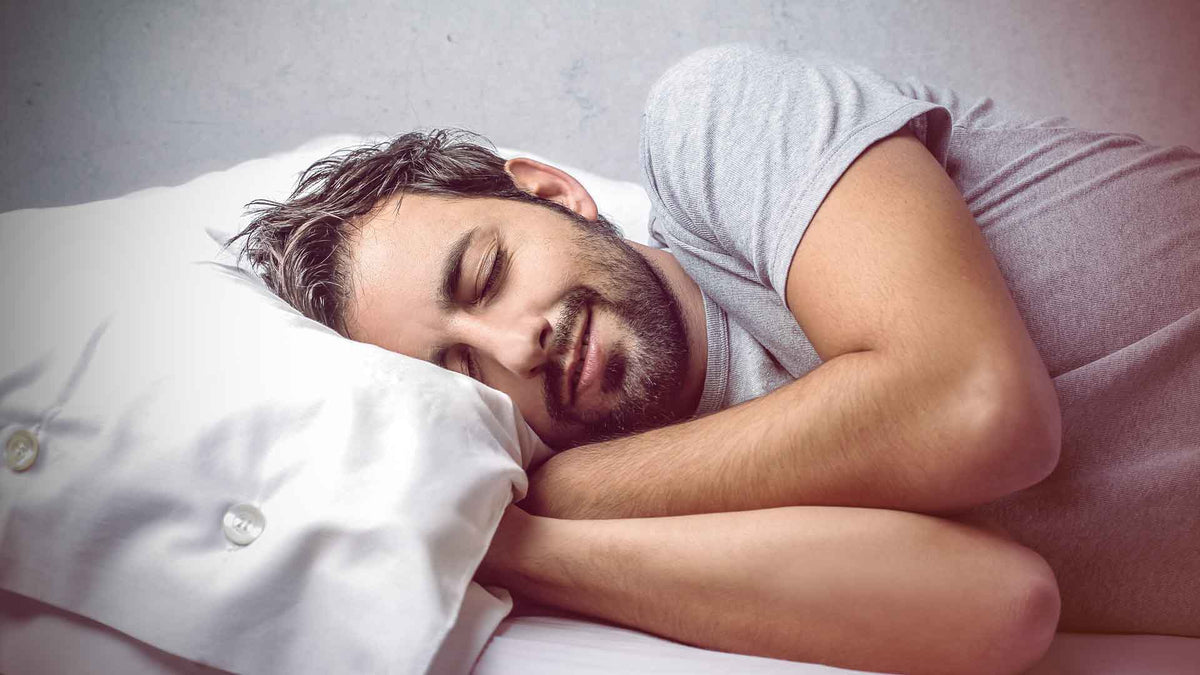
Hardly any other health topic affects us as much as sleep. If we have slept well, we usually get through the day well. This is because, during sleep, we recover, recharge our energy stores, and regenerate. But what exactly happens during sleep?
This is what happens when we sleep
- Brain: The thinking organ functions differently during the night. The removal of waste products is twice as effective then. In the dark, the pineal gland of the brain releases the sleep hormone melatonin. It regulates our brain's day-night rhythm.
- Eyes and nose: In sleep mode, the eyes and nose stop sending almost all information to the brain.
- Heart and lungs: Heart and lung activity shift down a gear. Pulse and breathing slow down. The circulation runs in "energy-saving mode," so to speak.
- Blood pressure: At night, blood pressure drops by up to 30 percent. This also relieves the strain on the heart.
- Muscles: The muscular system relaxes during certain sleep phases. For a short time, the body is virtually paralyzed.
- Digestion: In the early morning hours, the stomach, intestines, liver—in other words, all digestive organs—work at full speed.
When we sleep, the brain works
When it’s time to "lights out!", the curtain rises on all the biological processes in our body. The repair and regeneration mechanisms begin their work, especially during the body's sleep phase.
Anyone who hasn't had a good night's sleep feels it during the day: exhaustion, fatigue, irritability, and a mood at an all-time low. Some people also have sleep problems after the time change in March and October. Sleep researchers confirm: a balanced immune system, hormone balance, and good memory performance are linked to restful sleep. Chronic sleep disorders and sleep deficits at night can lead to memory impairment and even hallucinations and epilepsy. These are the results of numerous scientific studies.
Effective detoxification processes
Special processes in the body run twice as effectively during the sleep phase. These are specific detoxification processes that ensure the brain essentially cleanses itself. Scientists from the University of Copenhagen reported on these detoxification processes in the science magazine Spektrum (May 2017). For example, waste products like beta-amyloids are removed from the brain through fluid exchange with the spinal cord. These are proteins that deposit between brain cells and are associated with dementia diseases. During this "night wash," the waste products are transported to other organs, such as the liver, which is geared toward breaking down these toxic proteins.
Conclusion: Sleep is health
We spend a third of our entire lives asleep. We need sleep just as we need to breathe to live. Health, well-being, balance between body and mind, and a naturally beautiful glow are all linked to good sleep. Sleep researchers like William C. Dement say that 90 percent of our health and well-being are directly related to good, restful sleep.
• Learn more exciting facts about sleep in the expert interview with sleep researcher Dr. med. Feld.
• Are you interested in sleep products? You can find more information here.