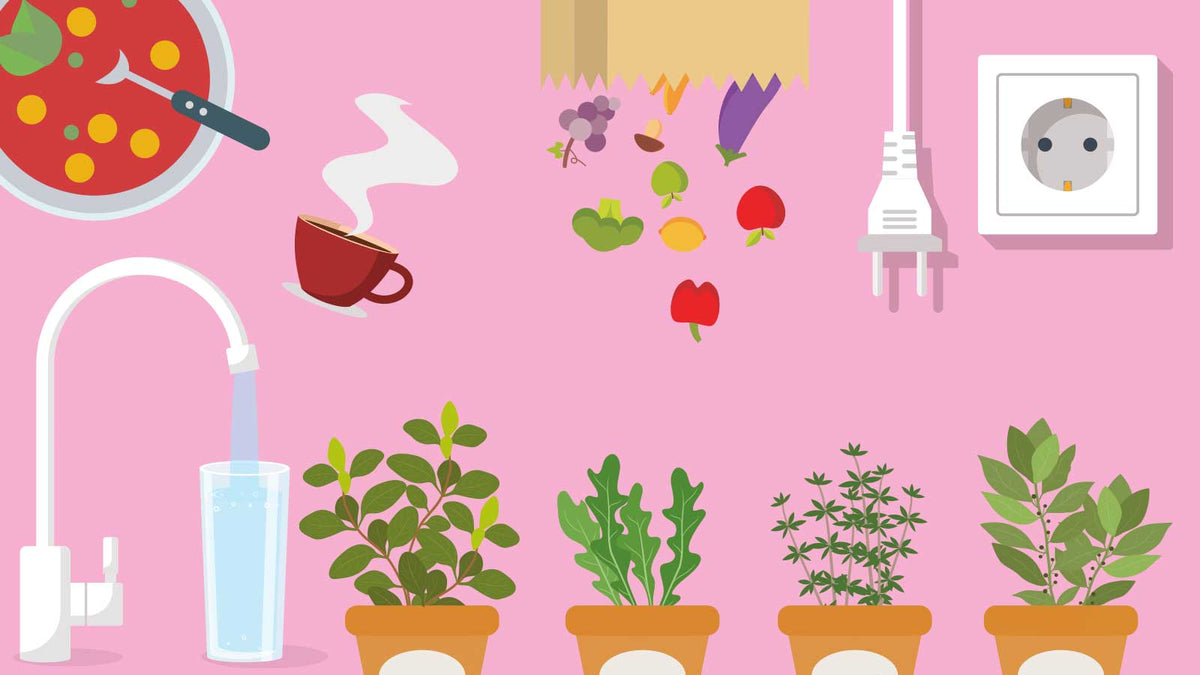
Even in the kitchen, many environmentally harmful things can be avoided or replaced with sustainable alternatives. This starts with the fact that you cook for yourself (and your loved ones) at all. Here, you will find a few more tips, ranging from shopping locally and saving electricity to a plea for using the dishwasher.
Shop locally, enjoy seasonally
With every kiwi we eat, we increase the fuel emissions released to bring it here from New Zealand. Therefore, you should prefer regional products. Fruit and vegetables from the farmer in the neighboring village are much tastier anyway, such as juicy apples and pears from the orchard. It is also important to shop seasonally, because apples that have to be elaborately refrigerated all winter so that you can eat them in the spring do not necessarily have a better environmental footprint than imported goods from Chile. Regional and seasonal products protect the environment through short transport routes and support local agriculture. Many fruit growers also rely on pesticide-free cultivation, so your health benefits from this as well.
An herb for that
Herbs can be easily planted in your own garden or on the balcony. Whether it's fragrant basil, crunchy parsley, or savory sage: you no longer have to rely on packaged herbs from the supermarket and simultaneously do something good for the air, as plants break down CO2 and convert it into oxygen through photosynthesis. In addition, growing crops is a productive and meditative activity that is good for body and soul. Planting and observing your own herbs is also great fun for children and promotes creativity.
How to save electricity in the kitchen
You can save a lot of energy and electricity when cooking. Pasta water, for example, boils much faster if you use a lid. For small to medium-sized pots, it also helps to heat the required amount of water in an electric kettle first and then pour it into the cooking pot, as kettles use significantly less electricity than an electric stove. Speaking of electric stoves: even if recipes often say so, preheating the oven is not necessary and consumes a lot of energy. If you put oven dishes directly into the oven, you can use up to 20 percent less electricity. To save energy when baking, you should switch from top/bottom heat to convection more often. This setting saves more energy during baking than others. You can also save electricity by letting hot meals cool down properly before putting them in the refrigerator. This reduces the power consumption required for cooling.
A clean affair: Green electricity
In addition to energy-efficient appliances and conscious energy usage, the type of electricity you purchase is also important. This is because electricity from renewable sources can reduce the level of greenhouse gas emissions. In Europe, more green electricity is generated from wind, sun, or water than is actually demanded via green electricity tariffs. Therefore, it makes sense to choose labeled products when selecting an electricity tariff. Only these guarantee that new ecological facilities are promoted. In addition, the green electricity provider is required to advocate for the priority of renewable energies, for example through labels like "Grüner-Strom" and "ok-power".
How to save water in the kitchen
Water is precious. And we are fortunate in our country that our tap water is among the best-monitored food products. To avoid plastic bottles, it is best to treat yourself to pure drinking water from the tap. With a carbonator, you can also make refreshing sparkling water at home. Another tip concerns washing dishes: it is a myth that hand-washed dishes save electricity and water. In fact, an electric dishwasher is much more energy-efficient. A dishwasher load uses about 50 percent less water than the same amount of hand-washed dishes. It is best to use ecological dishwasher tabs because they contain only a few harmful surfactants and thus protect the environment.
Fewer raw materials in the kitchen
To consume fewer raw materials like paper, you can use washable, absorbent cotton cloths instead of
paper towels. And classic, high-quality cloth napkins make the table look better than environmentally harmful paper napkins. You can also easily replace your paper coffee filter with a permanent metal filter. For preparing tea, there are washable, unbleached cotton filters available from tea retailers. Environmentally friendly coffee enjoyment also includes preparation with devices like a "French Press" with an integrated filter.
Giving up coffee capsules is ecologically sound
Capsule machines for quick coffee preparation, which appear practical at first glance, have become popular in many households in recent years. However, the disposable plastic capsules burden our environment enormously and increase the mountain of plastic waste by 8,000 tons per year. For a quick (and delicious!) espresso, you should therefore switch to an Italian manual espresso machine. PS: Old coffee grounds are great for reuse as plant fertilizer.
Do you really need meat in your kitchen?
With every bite we take, we influence our environment. Not only for the sake of the animals, there is therefore hardly anything more effective than drastically reducing the consumption of animal products, especially meat consumption, or ideally giving it up entirely. The CO2 emissions from cattle are extremely high, and about 16,000 liters of water are consumed to produce one kilogram of beef. For pastures and the cultivation of animal feed, huge areas of forest are cleared, with the tropical rainforest being particularly affected. By eating a meat-free diet, you help reduce the use of land, water, and fuel and decrease your personal CO2 footprint. Your life becomes more sustainable in one fell swoop.
You can find further sustainability tips for the household here.
• If you want to learn more about sustainable nutrition, read on here.