
Joint pain can have various causes. In addition to osteoarthritis, another is rheumatoid arthritis. Here you can read all about the development, symptoms, and treatment options for rheumatoid arthritis.
What is rheumatoid arthritis?
Joint pain can have various causes. In addition to osteoarthritis, another is rheumatoid arthritis. Rheumatic diseases can manifest in many ways. Medicine recognizes over one hundred diseases that can be classified under the rheumatic spectrum. These include, for example, lupus erythematosus, ankylosing spondylitis, or systemic sclerosis. The most common rheumatic disease is rheumatoid arthritis. It causes inflammation and pain in the joints and will be the focus of this article from the series "the most common causes of joint pain."
Rheumatoid arthritis (the international term), formerly known as "chronic polyarthritis," is, as the name suggests, a chronic—i.e., long-lasting—disease of several joints that is accompanied by inflammation (arthritis).
It is the most common disease in the rheumatic spectrum and is considered inflammatory; it is not caused by mechanical wear and tear but rather by the immune system.
In rheumatoid arthritis, the immune system attacks the body's own cells due to dysregulation. This subsequently leads to painful inflammatory processes. Therefore, rheumatoid arthritis is a classic autoimmune disease. The inflammation primarily affects the inner lining (synovial membrane) of joints, tendon sheaths, and also bursae. The synovial membrane nourishes the joint cartilage. It also acts as "lubricant" between the joints to reduce mechanical stress and friction.
Rheumatoid arthritis can occur suddenly, slowly and gradually, or in flare-ups. The most important goal of treatment is to use medication early on to prevent the affected joints from being destroyed and losing their function. The sooner the diagnosis is made, the better the treatment options.
Who is affected by rheumatoid arthritis?
The exact causes of rheumatoid arthritis are not fully understood. Several factors seem to play a role. Possible influences include:
- Genetic predisposition
- Smoking
- Viral or bacterial infectious agents
- Occupational exposure to toxins
- Obesity
Usually, several factors combine over a longer period of time, ultimately triggering the disease.
What are the symptoms of rheumatoid arthritis?
In most cases, rheumatoid arthritis begins with typical pain in the finger and toe joints. Swelling and limited mobility, especially in the morning right after getting up, are also classic. This phenomenon is known as typical morning stiffness. Larger joints such as the shoulder joint can also be affected. The inflammation usually spreads to more and more joints. Ultimately, bursae and tendon sheaths can also become inflamed.
The formation of rheumatoid nodules, for example on the fingers and forearms, is possible.
Additionally, there are often nonspecific symptoms such as:
- Exhaustion and fatigue
- Decrease in performance
- Night sweats
- Elevated body temperature
- Sleep disturbances
- Weight loss
Over time, if left untreated, organ systems such as the eyes, heart, lungs, or nerves can also be affected. The fact is that if the immune system dysregulation in rheumatoid arthritis is left untreated, it can, in the worst case, lead to the complete destruction of cartilage and bone, and thus the entire joint.
The following complaints can be clear indications of rheumatoid arthritis:
- Persistent joint pain in two or more joints
- Swelling of two or more joints lasting longer than 6 weeks
- A symmetrical distribution, meaning both sides are affected
- Morning stiffness (lasting up to 60 minutes or longer)
If a suspected case arises, the doctor will initiate further examinations and, if necessary, refer the patient to a rheumatologist. To confirm the diagnosis, blood tests (for example, inflammation parameters and rheumatoid factors) or imaging procedures may be required.
How is rheumatoid arthritis treated?
The good news is that treatment options for rheumatic diseases have improved significantly in recent years. The bad news is that medications that can have serious side effects are unfortunately often used. It is therefore always advisable to do everything possible to adapt your lifestyle in a way that can, in the best case, positively influence the disease.
This can involve targeted and supervised therapy, such as in a warm therapeutic pool, an anti-inflammatory diet, accompanying osteopathy and physiotherapy, and the reduction of excess weight. Alternative medical measures such as TCM (Traditional Chinese Medicine), Ayurveda (traditional Indian medicine), phytotherapy (herbal medicine), homeopathy, and micronutrient medicine can also provide an important supplementary contribution to the treatment of rheumatoid arthritis.
In the event of a suspicion or diagnosis, qualified treatment by a specialist is essential. Depending on the stage, conventional medicine uses various, mostly anti-inflammatory and pain-relieving medications for therapy. In addition, medications that suppress the misdirected immune response are often used. Treatment is carried out by an experienced rheumatologist.
What can I do myself for rheumatoid arthritis?
As with osteoarthritis, it is also true for rheumatoid arthritis that obesity, lack of exercise (except during an inflammatory flare-up), and a low-base, pro-inflammatory diet high in animal protein and lacking in antioxidants and essential fatty acids can worsen the symptoms.
Which alternative therapies can support me with rheumatoid arthritis?
Plant-based ingredients from the traditional teachings of TCM and Ayurveda are often only available as food supplements and not as herbal medicines in this country. Nevertheless, the herbal ingredients known in these teachings are traditionally attributed with positive effects on rheumatic diseases in these cultures. Some clinical studies also suggest initial positive effects. Seek individual advice on this from a qualified naturopathic doctor or alternative practitioner. These plant-based ingredients, such as frankincense and turmeric, but also essential fatty acids from borage seeds or evening primrose oil, are primarily about influencing messenger substances (e.g., prostaglandins, leukotrienes) that can promote or inhibit inflammatory processes in the body.
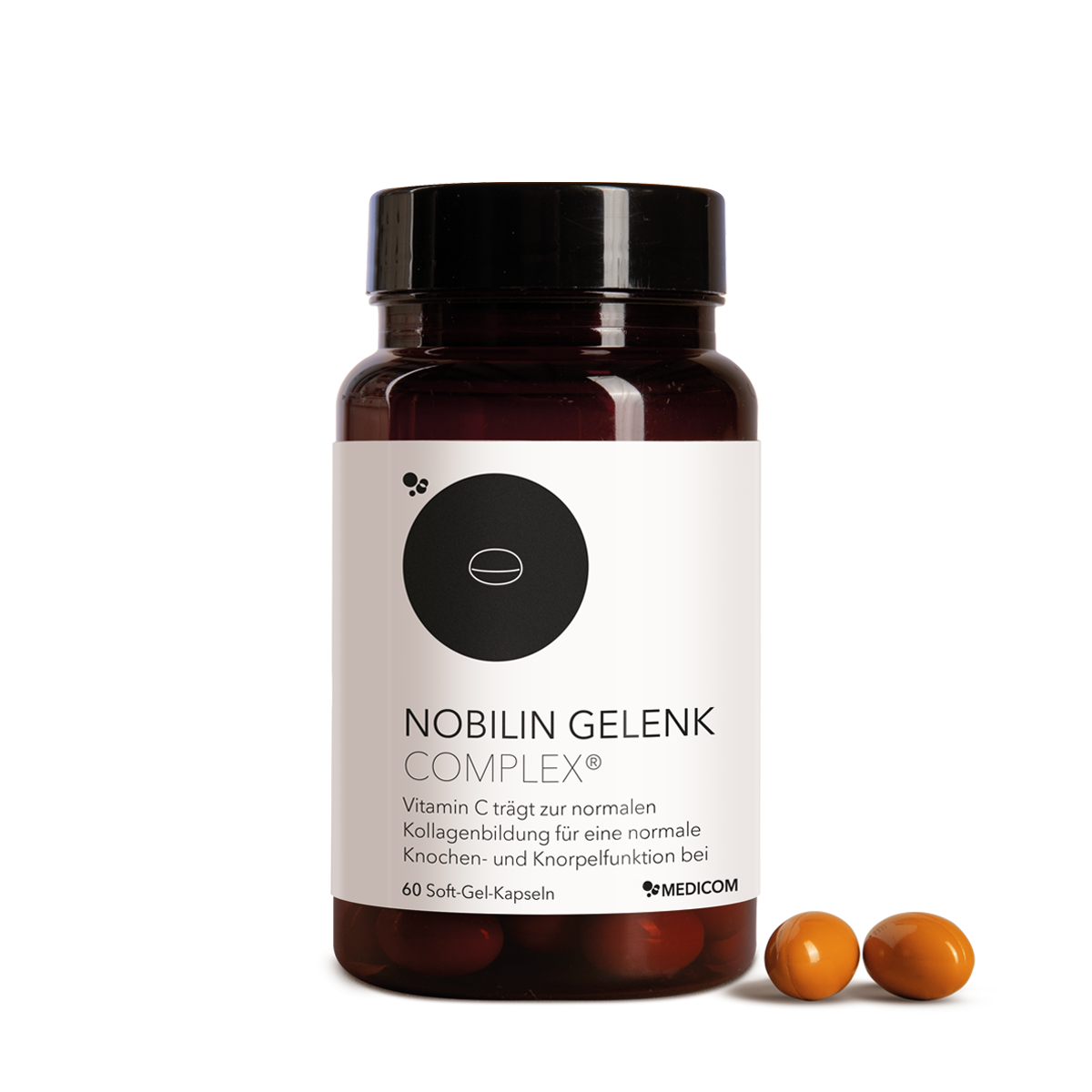
Nobilin Joint Complex®
With curcumin extract, frankincense and hemp oil
What role do essential fatty acids play in rheumatoid arthritis?
It is known that essential fatty acids, such as gamma-linolenic acid (e.g., in evening primrose oil, borage seed oil) or omega-3 fatty acids (e.g., linseed, krill, or fish oil), can promote anti-inflammatory messenger substances in the body. A healthy, fresh diet with many antioxidant-active vital substances (fruits and vegetables) as well as many healthy and essential fatty acids is certainly an important and correct attempt to exert a positive influence on the development of pain. This diet also promotes healthy weight management and general vitality.
Important: You should never stop taking conventional medication. However, a combination of naturopathic and conventional medical therapy can have an extremely effective impact on the progression of the disease.
Conclusion
Rheumatoid arthritis is a serious inflammatory disease of the rheumatic spectrum and belongs in the hands of an experienced rheumatologist. The earlier this disease is diagnosed, the sooner the destruction of joints triggered by an autoimmune reaction can be avoided. Naturopathic and nutrition-specific measures cannot replace conventional medical treatment but can meaningfully supplement it after individual and expert advice. If, in the best case, this can achieve a reduction in painkillers, this is already a valuable contribution for those affected.
Would you like to read more about osteoarthritis, rheumatism, and similar topics, as well as treatment options? Then read: Joint pain: most common causes and therapies.
Are you interested in the topic?: Joint-healthy nutrition? Here is how.