A balanced diet helps us ward off pathogens and positively influence the recovery process in the event of an infection. Here is a list of ingredients that you can either find in your cupboard or take in the form of dietary supplements.
Licorice
Every simple cold as well as every flu-like infection is a stress on the body. One of the most significant medicinal plants, when used correctly, is a true tonic. We are talking about licorice root (Glycyrrhiza glabra) – from which licorice is made – which belongs to the large legume family and the subfamily of papilionaceous plants. It has long been used traditionally for coughs and stomach problems. Licorice root is rightly a frequent component of cough syrups and teas, as many scientific studies have now been able to show that the ingredient glycyrrhizin can help with viral infections. Licorice root possesses cough-relieving, expectorant, anti-inflammatory, and antiviral properties.
Fruit and vegetables
Regular consumption of fruit and vegetables is beneficial for the entire organism and for a strong immune system. The valuable antioxidants in fruit and vegetables strengthen the defense system. Particularly recommended are colorful varieties of fruit and vegetables, which include, for example, bell peppers, tomatoes, or fruits such as blueberries, strawberries, and raspberries.
Probiotic foods
“Good” bacteria such as lactobacilli and bifidobacteria have been shown to improve gut health and thereby strengthen the immune system. A good remedy of choice is fermented foods such as sauerkraut, kimchi, kefir, and fermented dairy products.
Probiotic dietary supplements
Nature has incorporated a sophisticated security system in humans called SIgA (secretory immunoglobulin A). It is found in the mucosal membrane that lines, for example, the nose and the upper respiratory tract as well as the intestine. SIgA can prevent cold and flu viruses from entering the organism. Studies have shown that probiotics have a positive influence on the immune system. Studies suggest that older people in particular can benefit from long-term use of probiotics and Lactobacillus because they support the immune response.
Sources:
Corthésy, B. (2013). Multi-faceted functions of secretory IgA at mucosal surfaces. Frontiers in Immunology 4: 185. Lehtoranta, L. & Pitkäranta, A. & Korpela, R. (2014). Probiotics in respiratory virus infections. European Journal of Clinical Microbiology and Infectious Diseases 33 (8): 1289–1302. Review.
Leek (Allium) and Garlic (Allium Sativum)
Allium vegetables such as onions, leeks, shallots, and garlic increase glutathione levels. Garlic is a natural antibiotic and antimicrobial agent that kills viruses and strengthens the body's defenses. It is best to use garlic chopped and raw in order to utilize all the health benefits, because once heated, some of the healthy ingredients are destroyed.

Vitamin C Shot 1,000
High-dose, liposomal vitamin C drinking ampoules
Oregano as well as other herbs and spices
Oregano, and especially essential oregano oil, is an effective antifungal and antibacterial substance. Other herbs with similar properties are thyme, rosemary, clove, lemon balm, and cat's claw. Spices such as cayenne pepper, chili pepper, and black pepper can also be effective against pathogens.
Sources:
- Rodriguez-Garcia, I. et al. (2016). Oregano Essential Oil as an Antimicrobial and Antioxidant Additive in Food Products. Critical Reviews in Food Science and Nutrition 56 (10): 1717–1727.
- Liu, Q. et al. (2017). Antibacterial and Antifungal Activities of Spices. International Journal of Molecular Aciences 18 (6): 1283.
- Mokhtar, M. et al. (2017). Antimicrobial activity of selected polyphenols and capsaicinoids identified in pepper (Capsicum annuum L.) and their possible mode of interaction. Current Microbiology 74 (11): 1253–1260.
Marini, E. & Magi, G. & Mingoia, M. & Pugnaloni, A. & Facinelli, B. (2015). Antimicrobial and anti-virulence activity of capsaicin against erythromycin-resistant, cell-invasive group a streptococci. Frontiers in Microbiology 6: 1281.
Teas
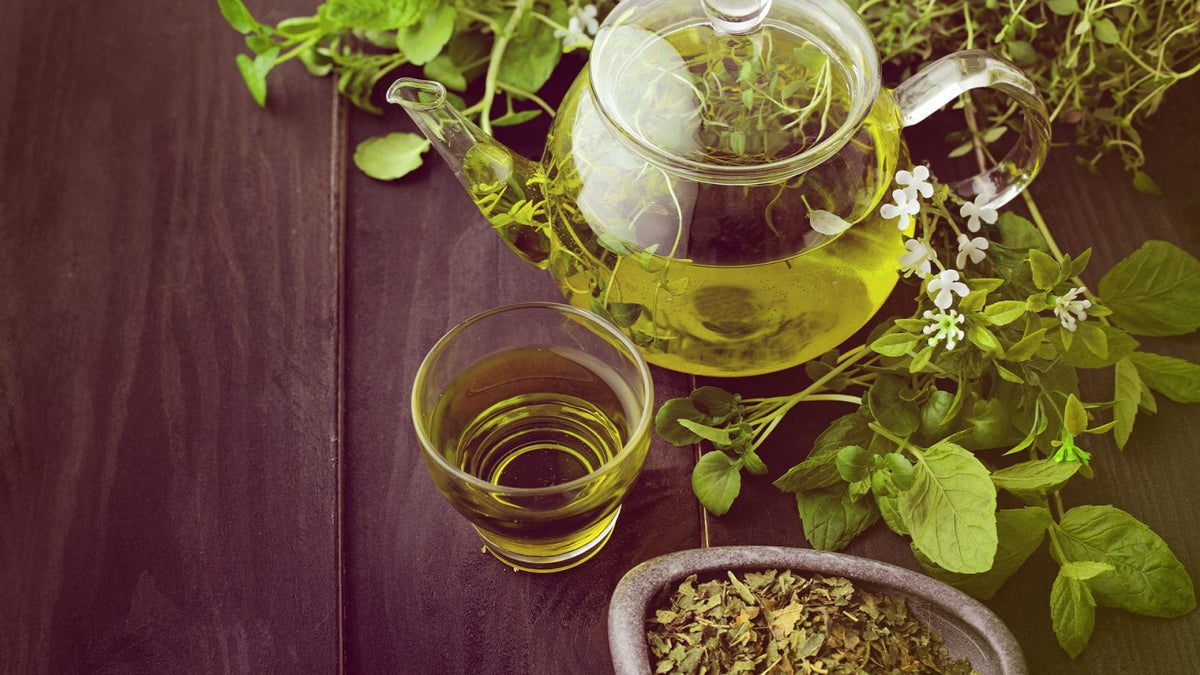
Green tea, black tea, and herbal teas contain ingredients, such as polyphenols, which have an antioxidant effect and support the defense system so that infections can be better combated.
Raw honey and propolis
Honey contains antimicrobial peptides and special ingredients (such as flavonoids, polyphenols, vitamins, and minerals) that strengthen the immune system. Using raw honey as a sweetener is a good alternative to cane sugar and syrups. Propolis, the bee glue resin, is also characterized by its antioxidant, antibacterial, and antiviral effects and stimulates the body's own immune defense.
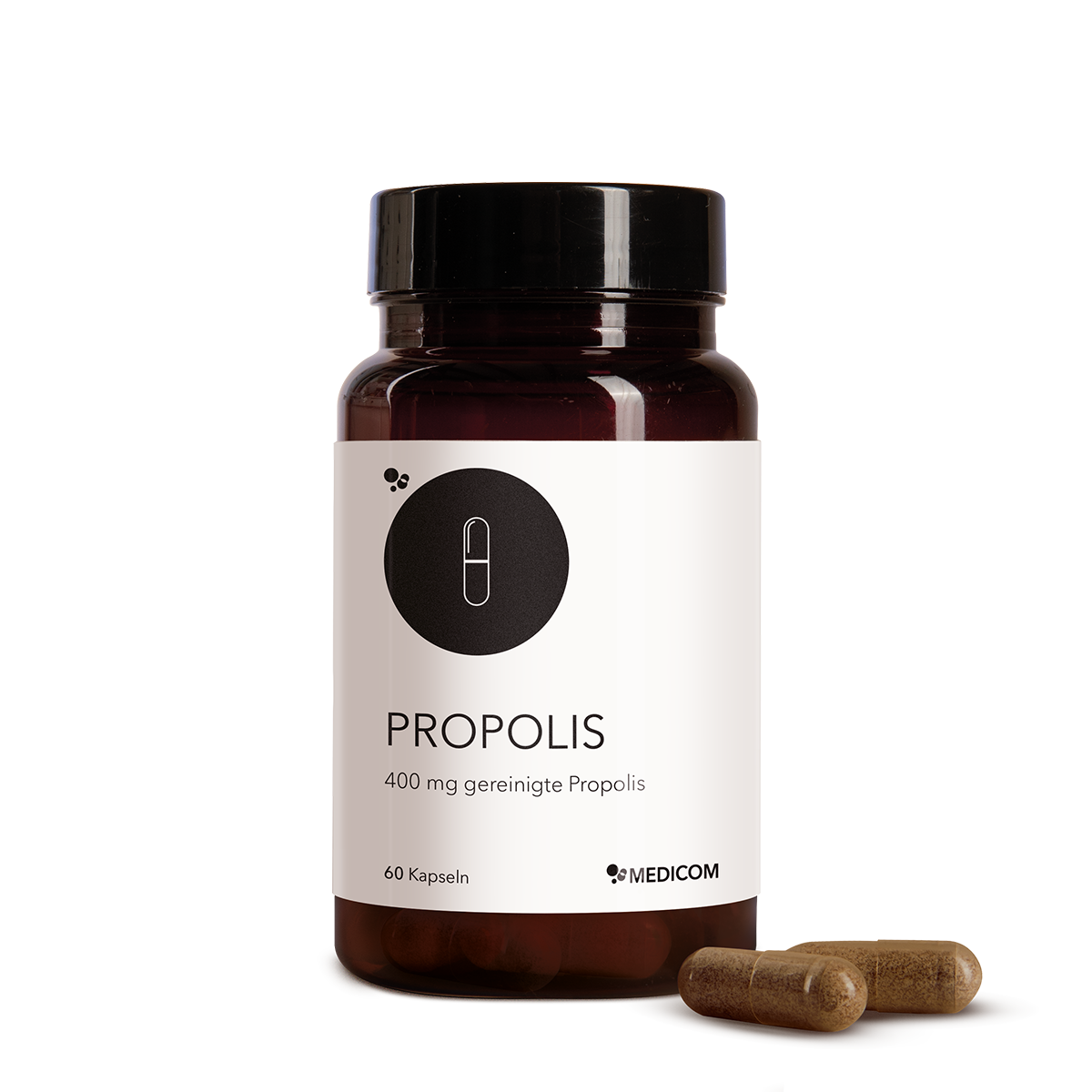
Propolis
The Power of the Beehive: Propolis
• Strengthen the immune system? You can find what you are looking for here.
• Pay attention to Immunfood! Read more about it now.