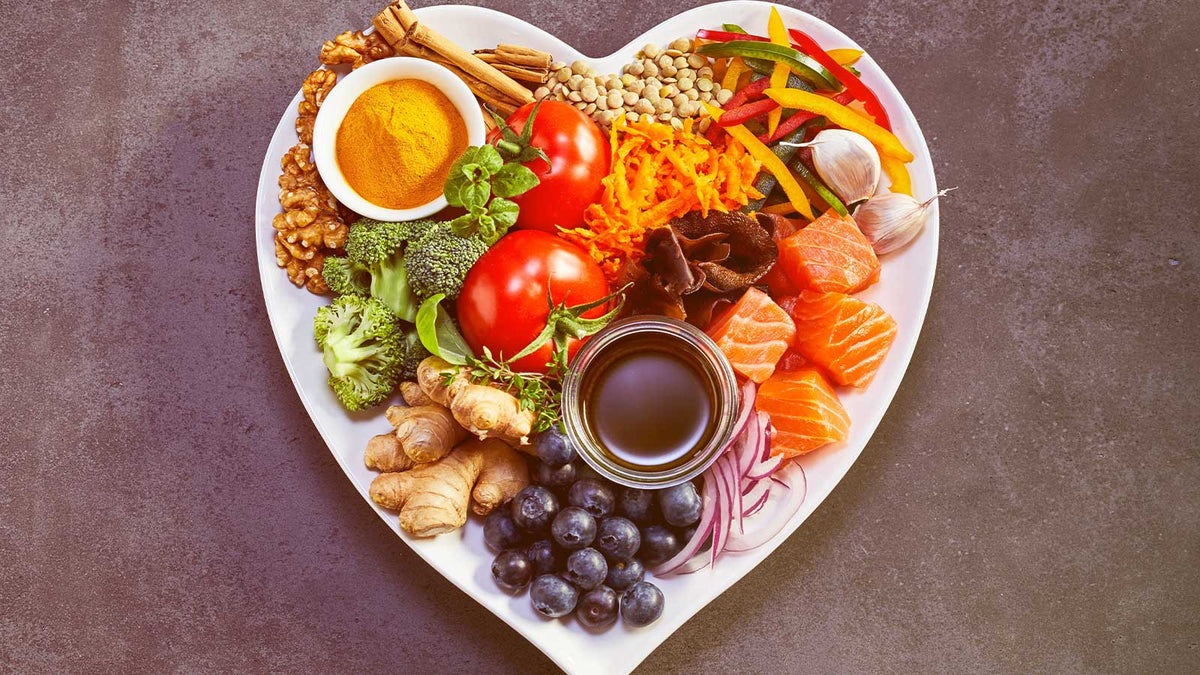
Eating for your heart can be that simple. Heart complaints or cardiovascular diseases should be taken seriously. Start listening to your heart today. Find out here why this organ is so important and how you can strengthen it through your diet.
Heart and Cardiovascular Diseases
Our heart is the central organ of our body. Oxygen, hormones, and nutrients circulate via the bloodstream. Our blood is controlled solely by the heart pump. Nothing works without our heart. However, cardiovascular diseases are one of the greatest challenges for science and society. We have clearly learned over the past few decades that prevention helps.
In fact, mortality rates for people with cardiovascular diseases have decreased by 24 to 28 percent in most countries over the last 30 years. 45 percent of this decline is due to improvements in therapy, and 55 percent to the reduction of risk factors. Heart disease can be prevented with a heart-healthy diet. Here are the 7 best tips on how to make your diet heart-healthy and thus protect your heart.
Heart-Healthy Diet
• Tip 1: Eat more fish
Fish in particular provides long-chain omega-3 fatty acids. Especially fatty fish like salmon, mackerel, or herring contain the health-promoting, long-chain omega-3 fatty acids DHA and EPA. However, those who eat little fish or do not like it can turn to fish oil capsules or krill oil capsules with choline and astaxanthin.

• Tip 2: Grapes and red wine
Red wine or fresh red grapes contain secondary plant compounds that can have a regulating effect on blood pressure and are anti-inflammatory and antioxidant. This way, you optimally protect your vessels and heart. To limit alcohol consumption, you can also include red grapes and berries in your diet more often. Naturally, it would be best to avoid alcohol entirely.
• Tip 3: The power of the tomato for the heart
It has been known for some time that the carotenoid lycopene in tomatoes contributes to the reduction of cardiovascular diseases. Recent studies prove that special active ingredients from the jelly surrounding tomato seeds support normal platelet aggregation and can thus contribute to healthy blood flow. This means less work for the heart muscle.
• Tip 4: Drink regularly
This applies fundamentally to people with vascular diseases. At least 1.5 liters per day, preferably in the form of mineral water, unsweetened herbal or fruit teas, or diluted fruit juices. Avoid beverages high in sugar. Because only sufficient fluid intake improves the viscosity of the blood.
• Tip 5: Pay attention to fiber
Reduce excess weight, maintain an ideal weight, and promote digestion. A high-fiber diet can contribute to this. Did you know that belly fat can lead to blood congestion in the veins? Ideal sources of fiber are whole grain products, fruit, vegetables, or legumes.
• Tip 6: B vitamins for blood vessels
Vitamin B6, vitamin B12, and folic acid help to break down homocysteine levels in the blood. Homocysteine is produced in the blood when certain proteins are broken down. It has a damaging effect on the inner lining of the vessels and facilitates the accumulation of "bad" cholesterol (LDL).
• Tip 7: Energy for the heart: Q10 and QH
The coenzyme Q10 and its bioactive form QH are vitamin-like substances found in the cells of our body. They strengthen heart functions and are antioxidant, meaning they are able to neutralize free radicals directly at the cell wall (cell membrane).
• Elevated cholesterol levels are a burden on the heart. Read or listen in the podcast expert interview: Naturally lowering cholesterol with Prof. Dr. M. Döll to learn what cholesterol is all about and what you should eat.
• You can find more on the subject of the heart here.