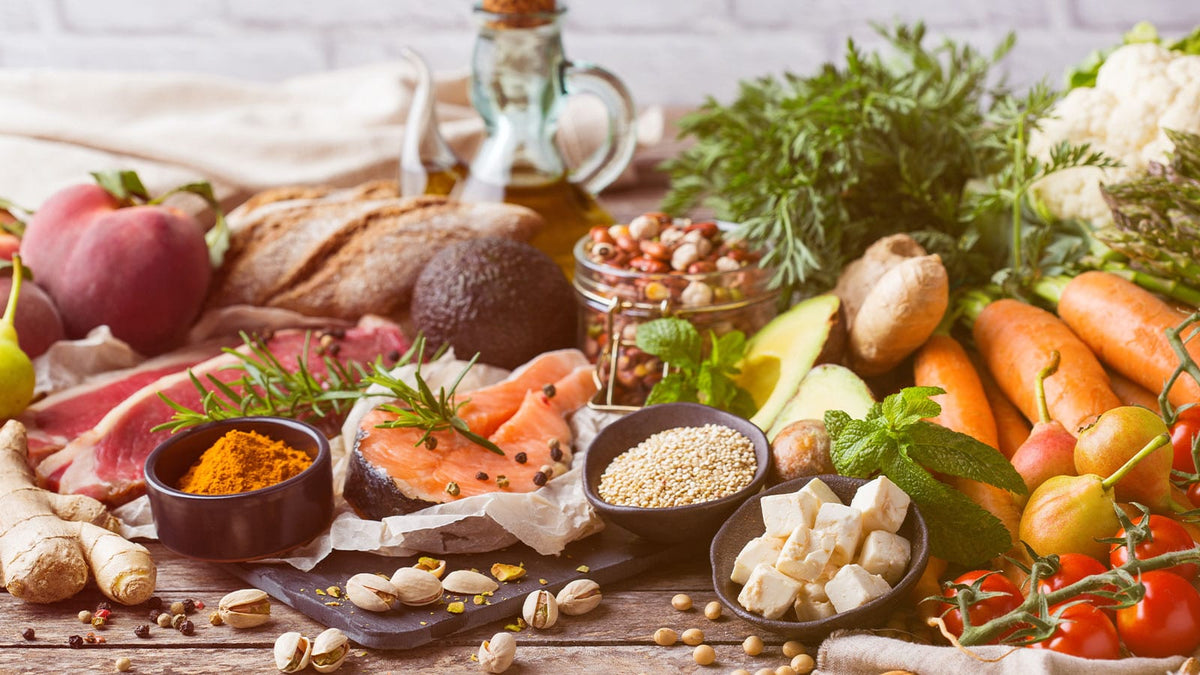
The so-called Mediterranean diet is considered balanced, wholesome, and healthy. In fact, studies have confirmed that people who follow a "Mediterranean" diet live particularly healthy and long lives. But why is that? And what does "Mediterranean" actually mean?
The Mediterranean Diet Myth
More than 16 countries border the Mediterranean, and their cooking styles are by no means the same. For example, Greek cuisine differs significantly from Italian, which in turn differs from Spanish. Even within a single country, people do not eat the same way. This becomes immediately apparent when you consider the vastly different eating habits in your own country.
However, studies over the last few decades have shown that people in Mediterranean countries suffer from cardiovascular diseases less frequently compared to the rest of Europe. This improves the life expectancy of the residents. In particular, above-average longevity has been observed on Crete. For this reason, the Mediterranean diet is also known as the Cretan diet. However, these terms originate from a form of diet developed in the USA in the 1980s. The Mediterranean diet is based on the eating habits that were common in Italy and Greece in the 1960s.
Healthy Mediterranean food in practice
In fact, you can adopt several recommendations from the "Mediterranean diet" that contribute to a healthy lifestyle. Here is an overview of the most important points:
1. Plant-based fatty acids
This primarily refers to high-quality, cold-pressed olive oil, which is rich in omega-3 fatty acids. Feel free to use it generously, and in return, use significantly less butter, lard, and other animal fats.
2. Fish: A source of unsaturated fatty acids
Eat fish and poultry instead of beef and pork.
3. Fresh & colorful on the plate!
Liven up your meals with fresh fruit and vegetables. For example, you can add apple or peach slices to your Greek yogurt, bake your fish in the oven with tomatoes, bell peppers, and olives, or simply have a salad with cucumbers, olives, legumes, and feta cheese as a main meal. Red and yellow vegetables in particular should have a permanent place on your menu.
4. Nuts: A good source of fatty acids
Eat two small handfuls of nuts daily. This is a nutrient-rich alternative to other calorie-dense snacks.
5. Use alcohol very sparingly
If you drink alcohol at all, have no more than one glass of red wine a day.
6. Which dairy products?
Use products made from sheep's and goat's milk; they are lower in fat than standard cow's milk products.
7. Less salt, more herbs
Season your meals with less salt. Instead, use plenty of fresh herbs like rosemary, basil, savory, or coriander.
8. Don't skimp on garlic!
Garlic contains heart-friendly allicin.
All of this, combined with an active lifestyle, a good social network, and a relaxed attitude toward food, ensures physical and mental well-being. Also important: Take your time eating and enjoy your meal instead of mindlessly scarfing something down on the side. And: Hearty meals in a cheerful group are good for body and soul.
• Would you like to know more about omega-3 fatty acids? Find out more here.
• If you are interested in healthy nutrition, listen to the podcast interview with Doc Fleck. She explains how easy it is to eat healthily.